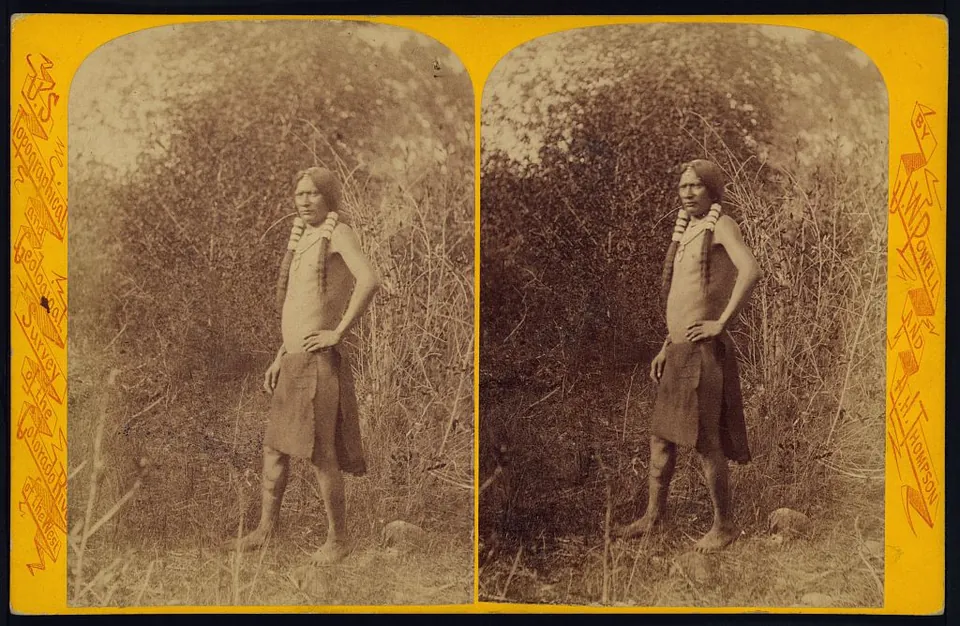
The friars did not find Utah Valley on their own. They were led there by a man from its shore.
The guide called Silvestre
In early September 1776, in what is now western Colorado, Fathers Domínguez and Escalante met a band of Sabuagana Utes traveling with a man from the lake country far to the west. The friars called him Silvestre. In exchange for woolen cloth, glass beads and a hunting knife, he agreed to guide them to his home near Utah Lake, nearly three hundred miles away.
A boy came too, a young Timpanogos the friars named Joaquín. He was about twelve years old.
Silvestre led the party across the Green River and west over the Wasatch through Diamond Fork and Spanish Fork canyons. On the last night they camped above the valley, and Silvestre kept watch, calling out into the dark in his own language that the strangers were friends. The people below had not seen them coming. Before they went down, Silvestre and Joaquín dressed for their homecoming in the woolen cloth and red ribbon the Spaniards had given them.
Four days at the lake
On September 23, 1776, the party came down into Utah Valley and met the Timpanogos. The friars stayed four days. They talked about their faith through Silvestre, and they asked for a guide to carry on toward California.
The Timpanogos had a request of their own. They asked the Spaniards to come back, settle among them and stand with them against the Shoshone raiders to the north. The friars promised to return within the year. The people gave them dried fish for the road and invited them to come back soon.
Joaquín
Silvestre stayed home. In his place the friars persuaded another man of the valley, whom they called José María, to guide them south. Joaquín would not stay behind. He rode with the friars out of the valley, through the deserts of southern Utah and Arizona, and all the way to Santa Fe, the only person from Utah to make the entire journey. No one wrote down his Ute name.
The Utes invited them to return soon.
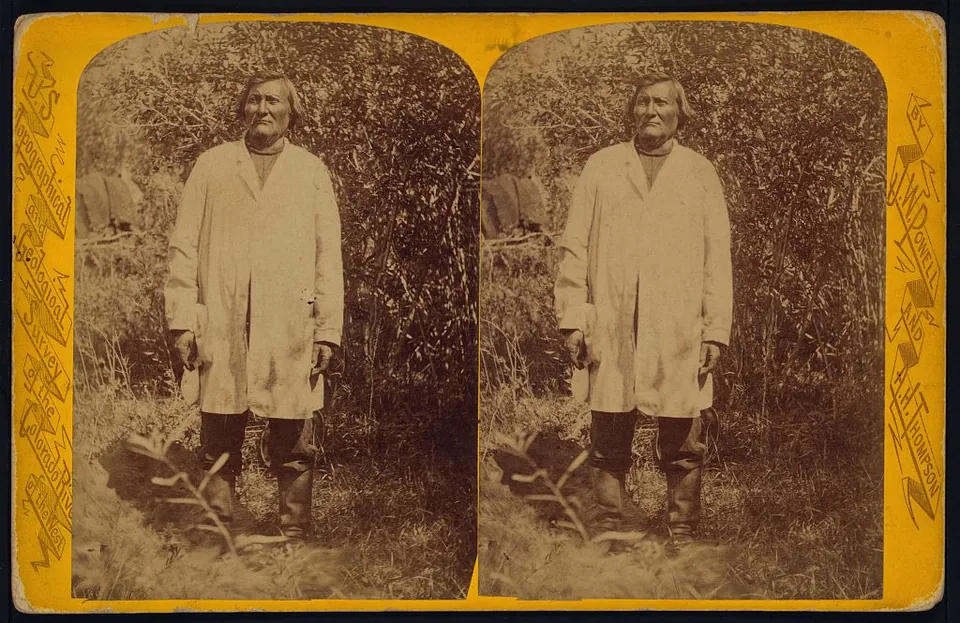
The friars never came back. Spain built no mission and no fort in the valley. What came instead were traders.
The traders
New Mexican traders had been reaching the Ute country since before the friars, and after 1776 their route grew familiar. Each year small parties rode north from settlements like Abiquiú with horses, knives and cloth to trade for buckskins and pelts. It was against Spanish law to trade with the Utes without a license, so most of these trips went unrecorded.
One did not. On March 16, 1813, seven men led by Mauricio Arze and Lagos García left Abiquiú for the lake of the Timpanogos. They stayed three days at the lake, trading while two villages gathered. By their own sworn account, the Timpanogos would trade nothing but captives, as they had on earlier visits. When the traders refused, they said, the Utes began killing their horses. Farther south the traders gave in and bought captives to avoid another loss. They came home on July 12 with twelve Indian slaves and 109 pelts, and they were arrested for trading without permission.
It is the first written record of the slave trade in the Great Basin, and of the fur trade there too. Historians believe both were already old by then. Captives taken in raids on other tribes were traded south to New Mexico for horses and goods, a practice that went on under Spain, then Mexico, then the United States, until well after the Latter-day Saints arrived.
The trappers
By the 1820s new strangers were coming down the canyons. In 1824 the French Canadian trapper Étienne Provost and his men reached the Provo River, which still carries a version of his name, and American and British trappers followed. The Spanish century in Utah Valley was ending.
It had started with a guide named Silvestre calling into the dark above the lake. The friars' promise to return was never kept, but the road he showed them stayed open, and everyone who came to Utah Valley after 1776 came along it.
From vineyardhistory.org/stories/after-the-friars/

