A lake used as a drain
For most of a century, Utah Lake was where Utah Valley's waste went. The valley's early towns were built with simple systems that carried sewage to the nearest stream, and the streams carried it to the lake. Utah had no wastewater treatment plants at all before the 1940s.
As the valley grew, so did the problem. In the 1940s and 1950s people blamed the lake's contaminated water for the spread of polio, and state health officials reported that waters in several parts of the lake were seriously polluted. Utah County cities began building sewage treatment plants. By 1954 many had them, but not all. By the late 1960s every major city that had been draining into the lake had built a plant, and by 1967 raw sewage was no longer being dumped directly into Utah Lake.
Treated water still flows in. Seven treatment plants around the valley discharge into the lake, and by a 2010 count about 13.5 percent of the water entering Utah Lake came from them. That water is clean of raw sewage, but it carries nutrients, especially phosphorus, that feed algae.
The mill on the shore
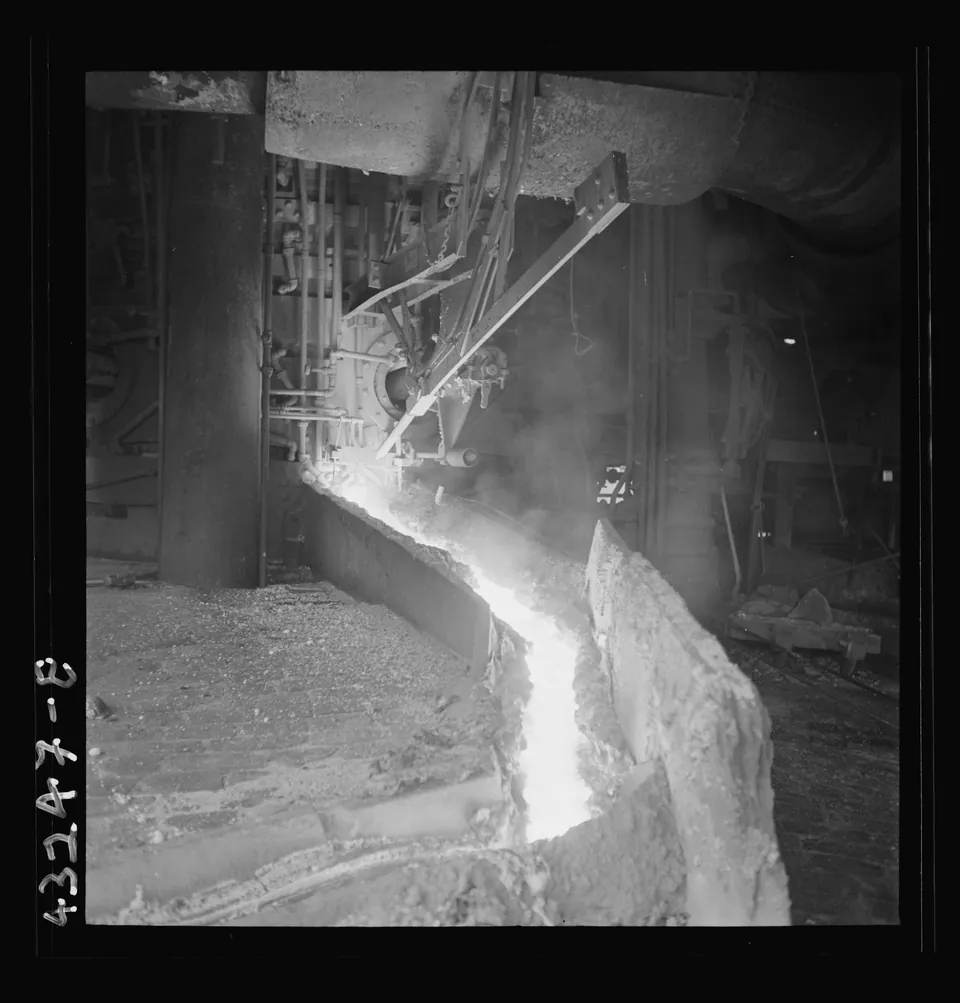
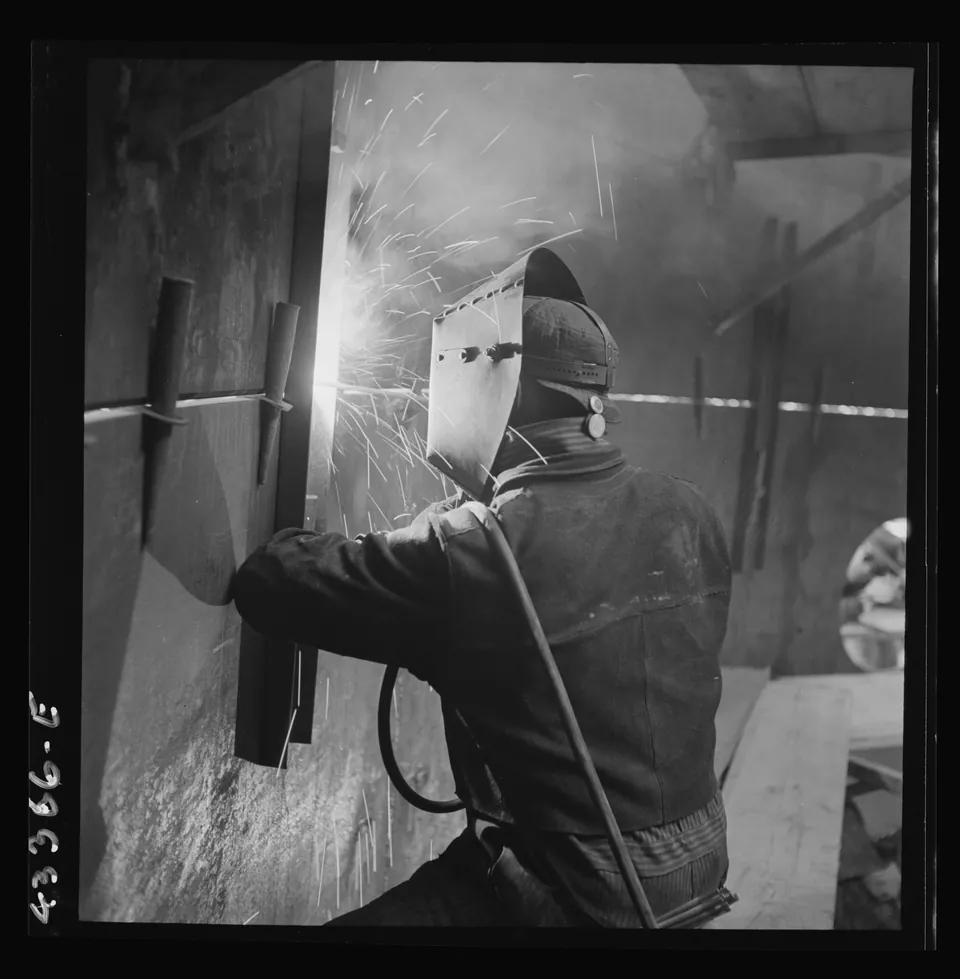
The biggest neighbor on the shore added its own share. When Geneva Steel opened in 1944 on the farmland of Vineyard, it brought jobs and a payroll the valley had never seen, but the steel industry was hard on the lake. The mill drew water from the lake and wells and returned wastewater from its coke plant and furnaces. Runoff from farms and towns carried fertilizer and silt, and carp, brought in the 1880s, kept the shallow water stirred up and cloudy.
By the 1960s and 1970s the damage showed in the fish. The native cutthroat were already gone, the June sucker was in decline, and swimmers stayed away from a lake with a reputation it would carry for decades.
The winter air
The air told a similar story. Utah Valley is a mountain bowl, and in winter cold air settles on the valley floor under a lid of warmer air. These inversions trap smoke and soot for days at a time. Geneva's coke ovens, blast furnaces and open hearths were the largest single source of fine particle pollution in the valley, and on bad winter days a brown haze hung from Vineyard to Provo.
People noticed. In the winter of 1985 and 1986, a survey found that 29 percent of Utah Valley residents had someone in the family whose health problems were made worse by air pollution. The valley violated the federal standards for fine particles, called PM10, and was named a nonattainment area under the Clean Air Act.
The natural experiment
Then came an accident of history. In 1986 the mill shut down during a long strike, and it stayed closed until it reopened under new owners in the summer of 1987. A young economist at Brigham Young University, C. Arden Pope III, saw what that meant. The valley had become a natural experiment: the same people, the same winters, with the mill running, then stopped, then running again.
Children's hospital admissions for bronchitis and asthma roughly doubled when the mill was running.
Pope gathered hospital admissions from local hospitals from April 1985 to February 1988. When the mill was running, children's hospital admissions for bronchitis and asthma were roughly twice as high as when it was closed. In the winter the difference was even larger. Hospitals in the Salt Lake and Cache valleys, with no such mill, showed no similar change.
His study, published in the American Journal of Public Health in May 1989, was controversial at the time. It became one of the landmark studies of air pollution and health anywhere in the world, cited in setting national air quality standards, and it began a career that made Pope one of the best known air pollution researchers in the country.

Cleaning up
The cleanup came in stages. Under its new owners, Geneva spent heavily to meet the Clean Air Act and the Clean Water Act. In September 1991 it finished a $70 million project to replace the old open hearths with two basic oxygen furnaces, cutting airborne nitrogen oxide emissions by 95 percent, and it added a biological wastewater treatment plant, a benzene gas blanketing system, sulfur removal for its coke oven gas and a baghouse to catch dust from its sinter plant.
When the mill closed for good in 2002 and its stacks came down, the biggest source of the valley's winter soot went with them. Pope later said Utah Valley was certainly cleaner than it had been. Winter inversions still come, now loaded mostly with exhaust from cars and homes, but the brown haze of the steel mill years is gone.
The lake has been slower to heal. In July 2016 a toxic blue green algae bloom spread across Utah Lake, the largest documented algal bloom in Utah history, and the lake was closed to the public. Blooms have returned in many summers since. In 2016 the state adopted a phosphorus limit for wastewater plants that took effect in 2020, meant to cut the phosphorus they send into Utah waters by about two thirds.
The lake today
Other work is helping. Millions of pounds of carp have been pulled from the lake, the Provo River was given a natural delta again, and native plants are coming back along the shore. The June sucker, nearly lost, was moved from endangered to threatened in 2021.
For Vineyard, the story is personal. The town grew up beside both the mill and the lake. Its farmers fished the water and breathed the air, and its families worked the furnaces. The cleaner sky over Vineyard today and the slow recovery of the lake at the end of its streets are the result of decades of work by people who decided the valley deserved better.
From vineyardhistory.org/stories/clearing-the-air-and-water/