When Father Escalante saw Utah Lake in 1776, the first thing he wrote about was the fish. The people who lived around it, he noted, lived on them. For a long time before that, and for decades after, the fish of Utah Lake fed everyone who came to its shore.
Fish of the ice age
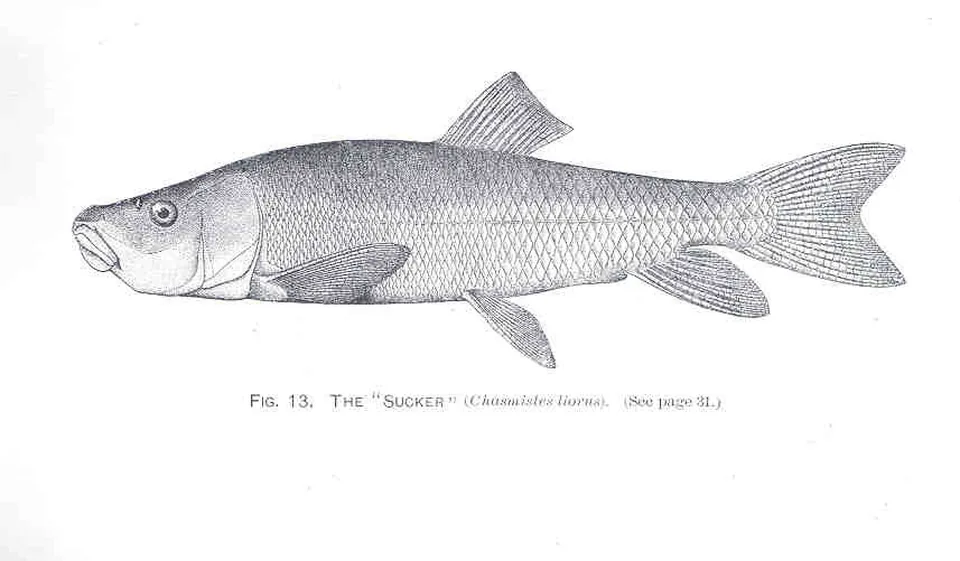
The story of those fish starts long before Escalante. When Lake Bonneville filled the valley during the last ice age, it held a fish community much like the one in Bear Lake on the Utah and Idaho border today. Scientists who studied fish bones in the old lake deposits in the 1960s identified eight species, among them trout, whitefish, suckers and chubs.
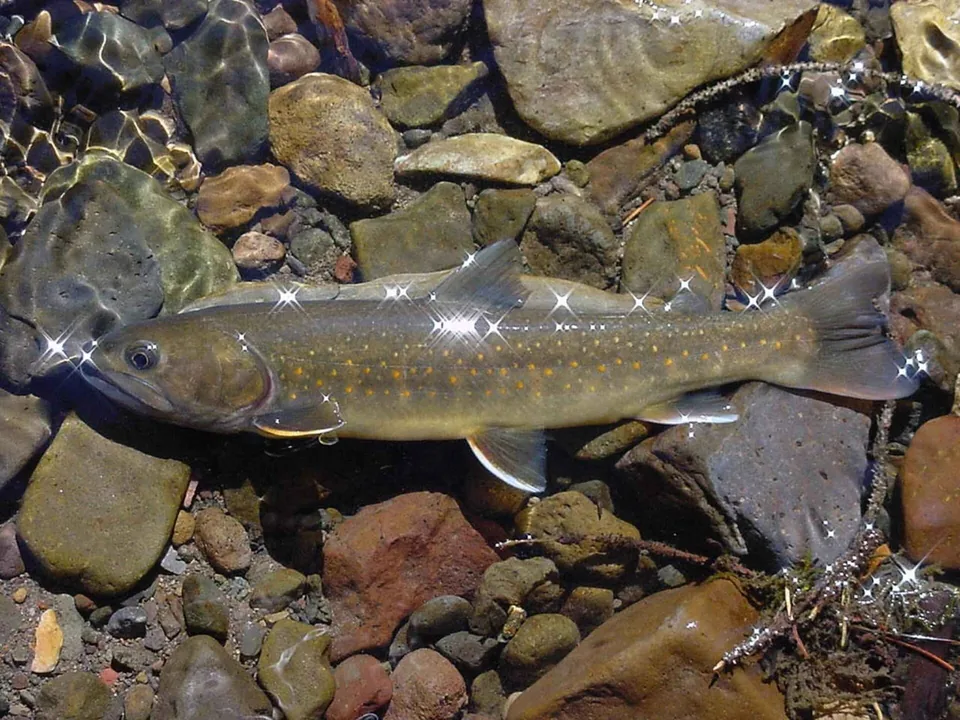
A cave on the old shoreline west of the Great Salt Lake added to the picture. Owls roosting in Homestead Cave dropped pellets full of small bones for thousands of years, and the oldest layers hold fish from the last days of Lake Bonneville, about 13,000 years ago. They include bull trout and the Bear Lake whitefish, which no longer live anywhere in the basin, and the June sucker itself. The fish Vineyard knows today is a survivor of that ancient lake.
A lake full of fish
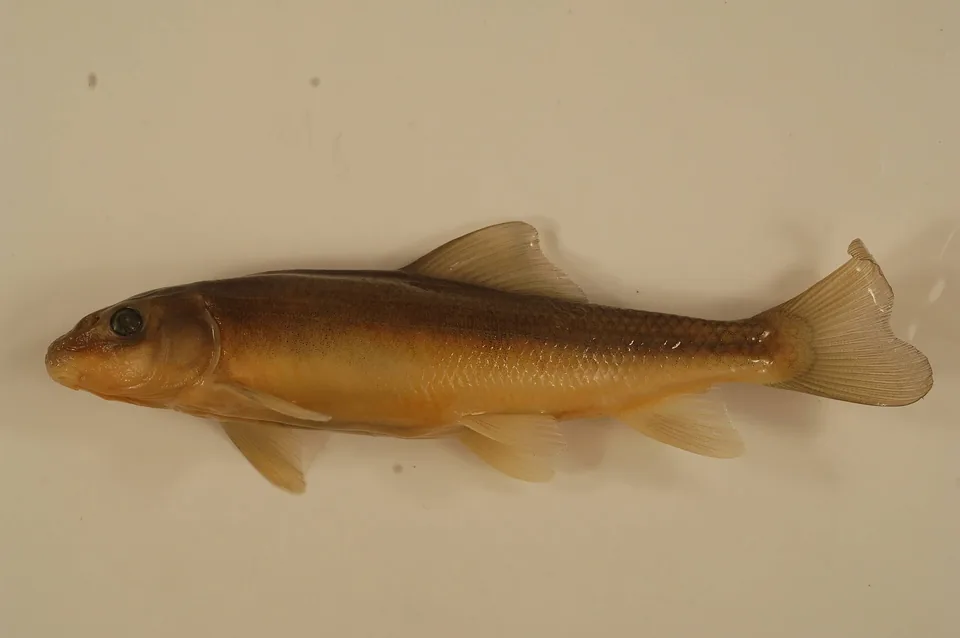
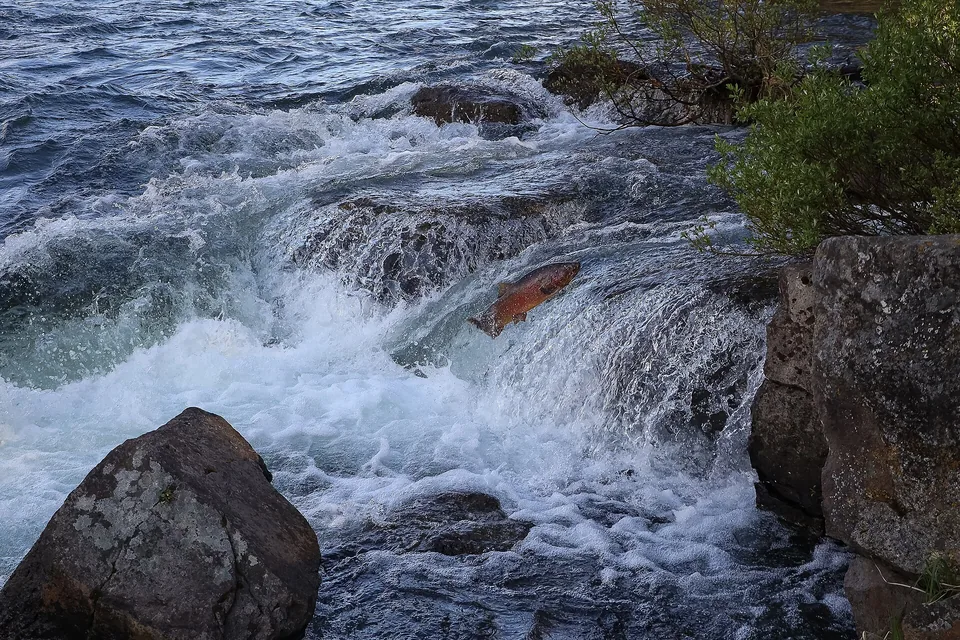
The lake held thirteen native kinds of fish. The Bonneville cutthroat trout was the prize, a descendant of the trout of ancient Lake Bonneville, and early accounts describe trout of fifteen or sixteen pounds. There were suckers and chubs too, and one fish found nowhere else in the world: the June sucker, which lives only in Utah Lake and swims up the Provo River, beside Vineyard, to spawn.
Feeding the settlers
When the pioneers arrived, the fish saved lives. In the hungry early years, settlers organized fishing companies, and seines and fish traps pulled huge catches from the lake and its rivers. Fish were sold across Utah Valley and the Salt Lake Valley. Within about thirty years of settlement, overfishing and poor care had badly cut the number of trout.
The carp
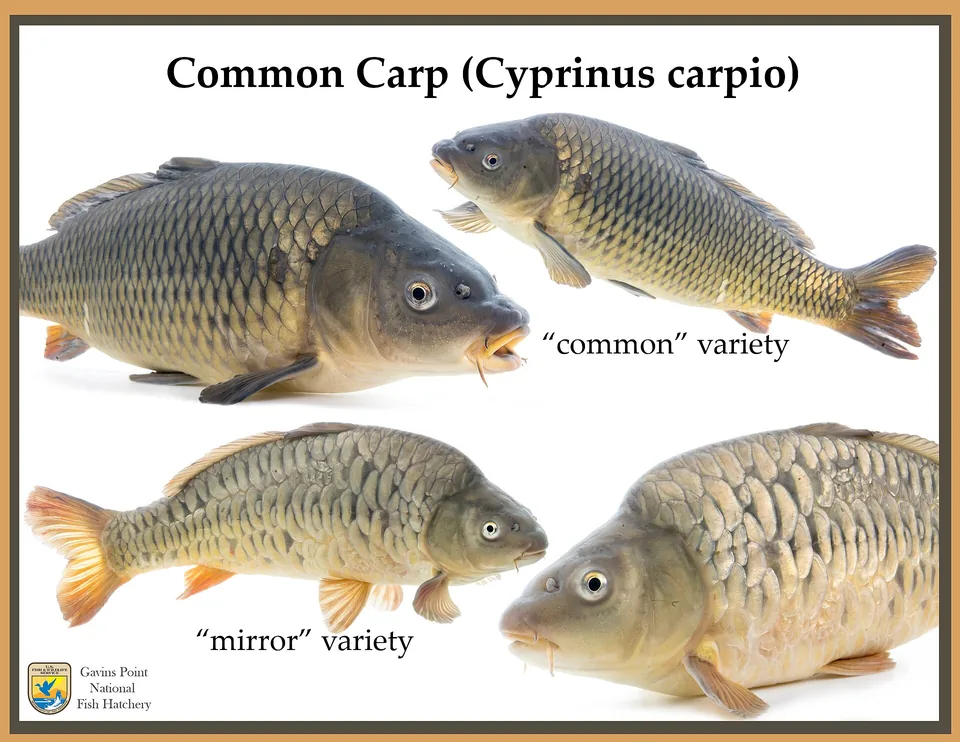
People went looking for a replacement. In the early 1880s carp were brought to Utah County, considered at the time a superior food fish, and they soon reached Utah Lake, where they flourished. Within about a decade, wildlife managers had soured on them. Carp stir up the bottom and cloud the water, and they crowded out much of what was left.
The lake had hard times. Dams, diversions and droughts changed its water. In the 1930s a severe drought shrank the lake badly. The last Utah Lake cutthroat were taken in the early 1930s, and the lake form of the fish is gone. Carp became the most common fish in the lake.
A fish that lives in only one lake on Earth still lives in Vineyard's lake.
One native fish did not survive at all. The Utah Lake sculpin, a small, big headed bottom fish found only in Utah Lake, vanished during the drought years. It was last collected in 1928 and is now listed as extinct.
The last of its kind
The June sucker held on, but barely. Dikes and channels at the mouth of the Provo River had turned it into a stagnant ditch where young fish could not survive their drift to the lake. In 2002, only 139 adult June suckers were observed in the Provo River spawning run. The fish was listed as endangered.
The comeback
Then people decided to save it. A recovery program raised June suckers in a hatchery, removed huge numbers of carp from the lake and kept more water flowing in the rivers. In March 2020 work began on the Provo River Delta, a 260 acre project to give the river a natural mouth again, with channels, ponds and wetlands where young fish can hide and grow. More than 150,000 native plants went in. In 2023 the river was turned into its new delta.
It worked. On January 4, 2021, the June sucker was moved from endangered to threatened. In 2022 more than 5,000 tagged June suckers were recorded traveling up the Provo River. The delta opened to the public in October 2024, with new trails beside it, and that year 3,785 tagged June suckers were detected spawning in the new delta.
A fish that lives in only one lake on Earth still lives in Vineyard's lake. After more than a century of loss, the water beside the town is coming back to life.
From vineyardhistory.org/stories/the-fish-of-utah-lake/