Birds of the ice age
Birds knew this lake long before people did. When Lake Bonneville filled the valley in the last ice age, its shores and marshes drew waterbirds by the thousands. Owls roosting in Homestead Cave, on the old shoreline west of the Great Salt Lake, left pellets full of small bones, and the oldest layers, from the lake's last days about 13,000 years ago, hold the remains of twenty eight kinds of birds.
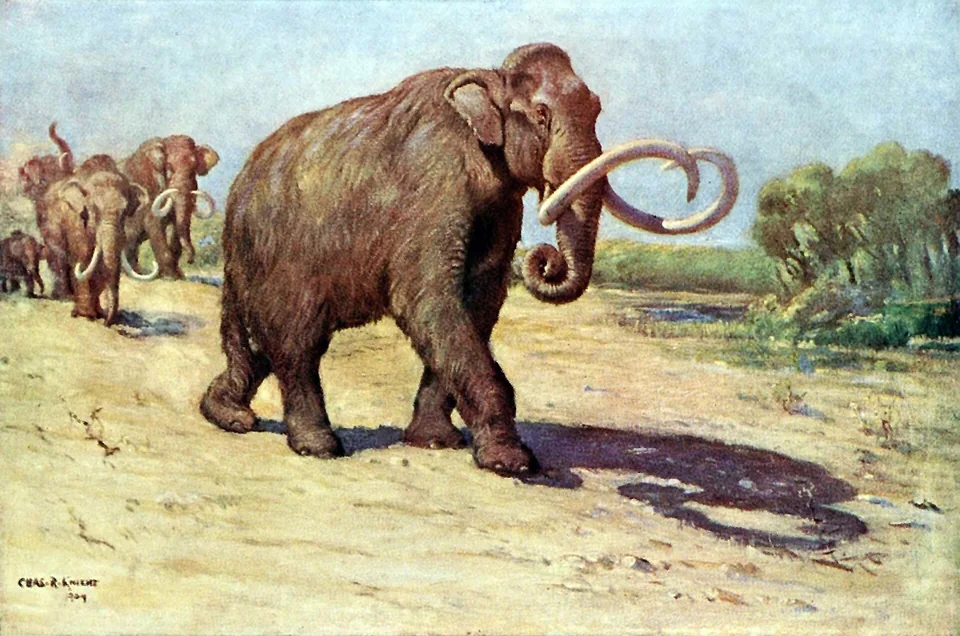
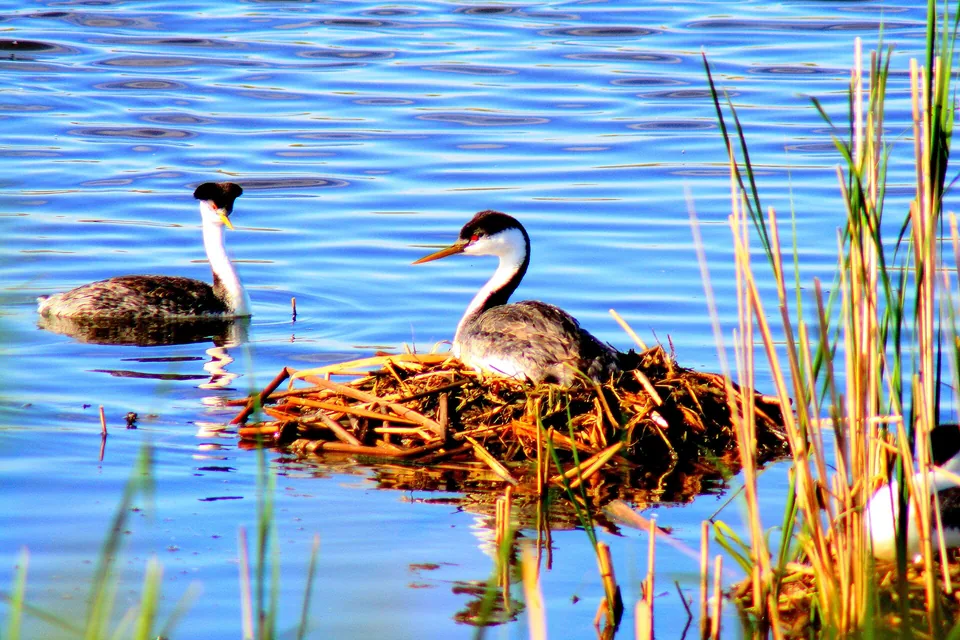
Among them are western and Clark's grebes, the long necked diving birds still seen on Utah Lake every summer. The same layers show the change from the cold, fresh water of Lake Bonneville to the warm, salty Great Salt Lake that followed, and the birds that came and went with it. Some of the ice age animals that shared those shores, the mammoths, camels and ground sloths, are gone forever. The grebes stayed.
Geese for the friars
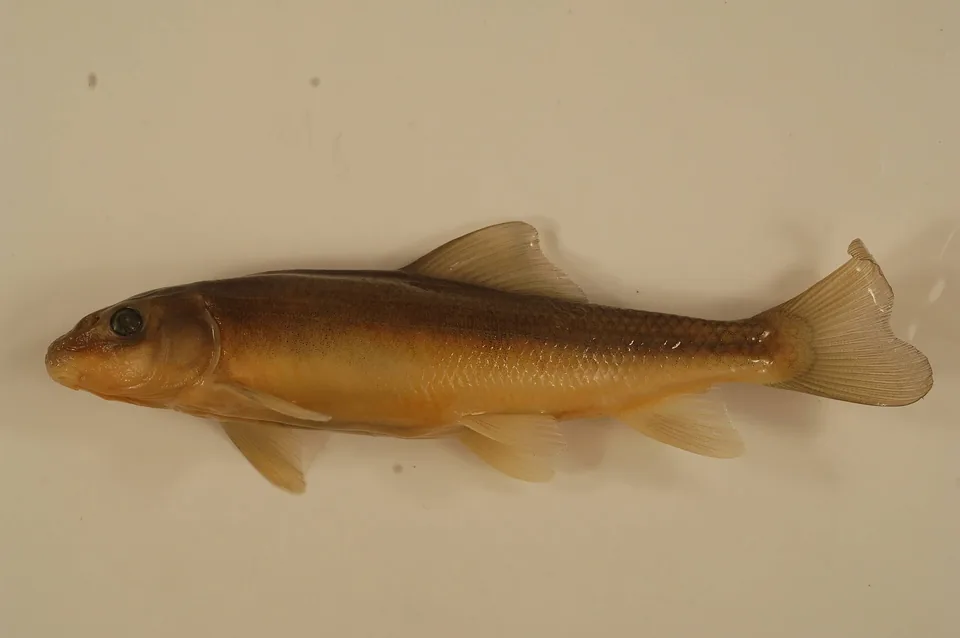
When Father Escalante reached the lake in September 1776, he wrote that it abounded in fish, geese and other creatures. The Timpanogos people who lived on its east shore hunted waterfowl in the marshes along with the fish and game that fed them.
Bird Island
The lake's best known bird spot has nearly disappeared. Bird Island sits in the south end of the lake, about two and a quarter miles north of the Lincoln Beach boat ramp. A century ago it was a busy nesting colony and a tourist stop. Excursion boats like the Sho-Boat carried passengers out to walk the island, and visitors came back covered in the droppings of the birds wheeling overhead.
The island has shrunk ever since. Photographs from the early 1900s show a good sized island crowded with birds, and by the later 1900s it was smaller but still occupied. By 2010 only a sliver showed above the water, and in high water years it disappears completely.
Who lives here now
The birds did not leave the lake. More than two hundred kinds have been recorded around Utah Lake, and Utah County as a whole counts close to three hundred. Its marshes, mudflats and open water sit on one of the great migration routes of the West, and millions of birds pass through the Great Salt Lake and Utah Lake region every spring and fall.
More than two hundred kinds of birds have been found around Utah Lake.
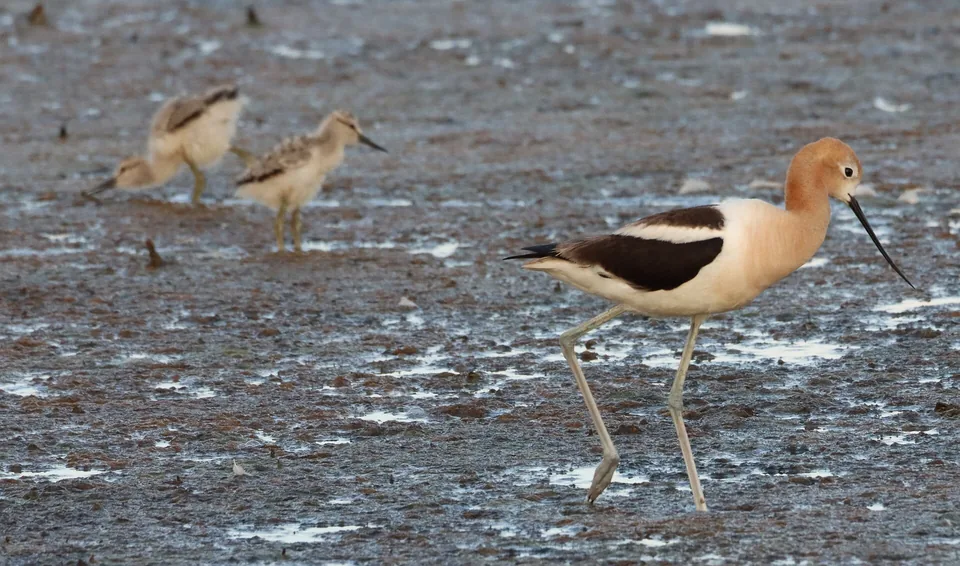
Summer belongs to the waterbirds. Great blue herons stand in the shallows, and American avocets with their upturned bills sweep the mudflats. Forster's terns dive for minnows, California gulls work the shore, cinnamon teal and ruddy ducks raise broods in the cattails, and marsh wrens sing from the reeds. Killdeer run the fields and ditch banks of the old farms.
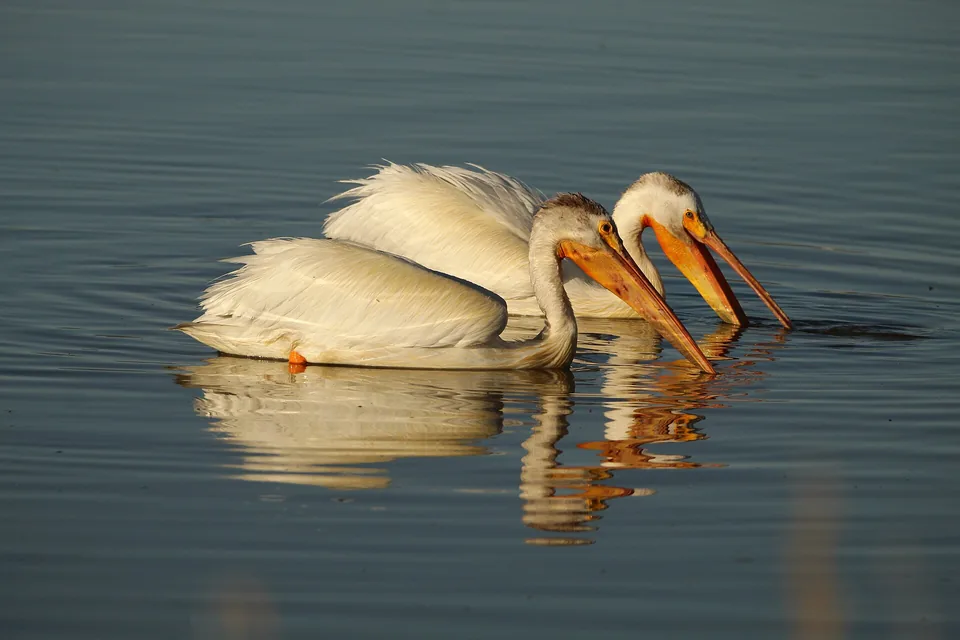
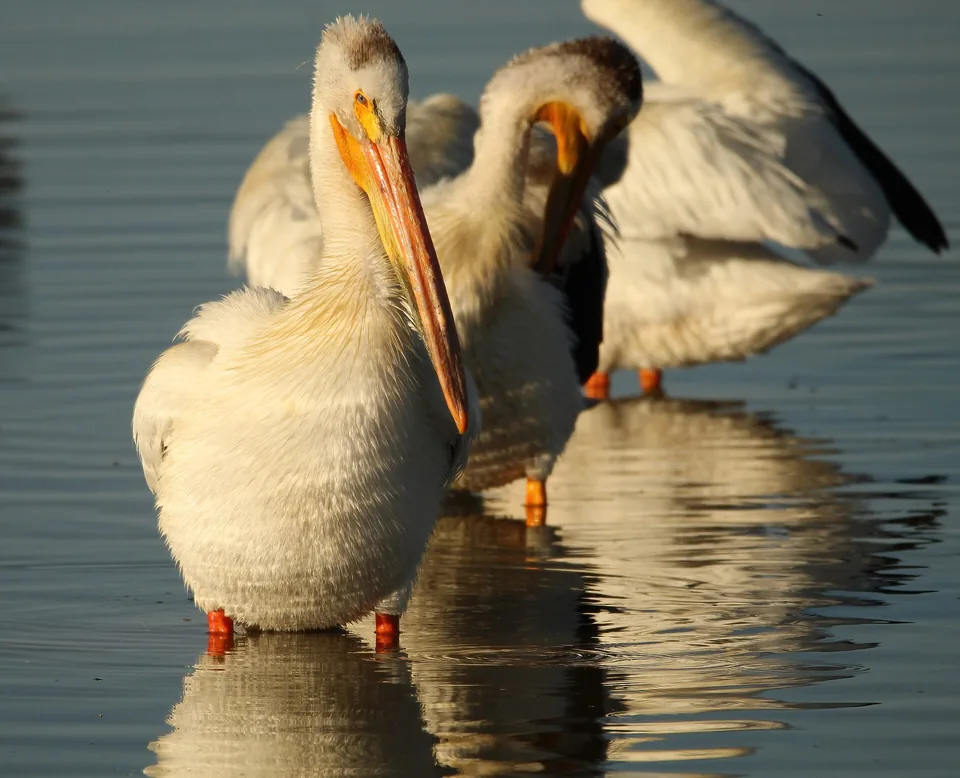
The most striking visitors come from far away. American white pelicans, among the largest birds in North America, nest on Gunnison Island in the remote north arm of the Great Salt Lake, where there is no fresh water and no fish. They fly long distances to feed in freshwater marshes and lakes, and Utah Lake is one of their fishing grounds. A line of them gliding low over the water off the Vineyard shore is a summer sight.
Winter eagles
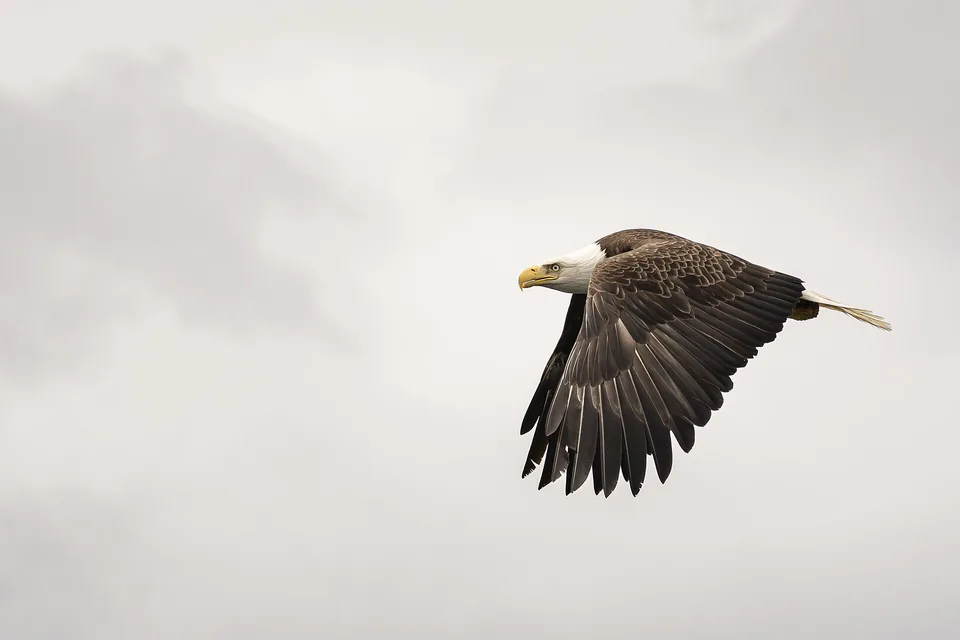
Winter brings the eagles. Bald eagles come down from the north each year to the Great Salt Lake and Utah Valley, where the region holds one of the largest wintering concentrations of bald eagles in the lower 48 states. They perch in the tall trees along the lakeshore and the Provo River, watching the open water for fish and for ducks.
The lake has changed beyond recognition since the ice age, and even since the days of the Sho-Boat. But the birds still come back every year, the grebes in spring, the pelicans in summer and the eagles in winter, the same way they came to Lake Bonneville long before anyone was here to watch.
From vineyardhistory.org/stories/the-birds-of-utah-lake/