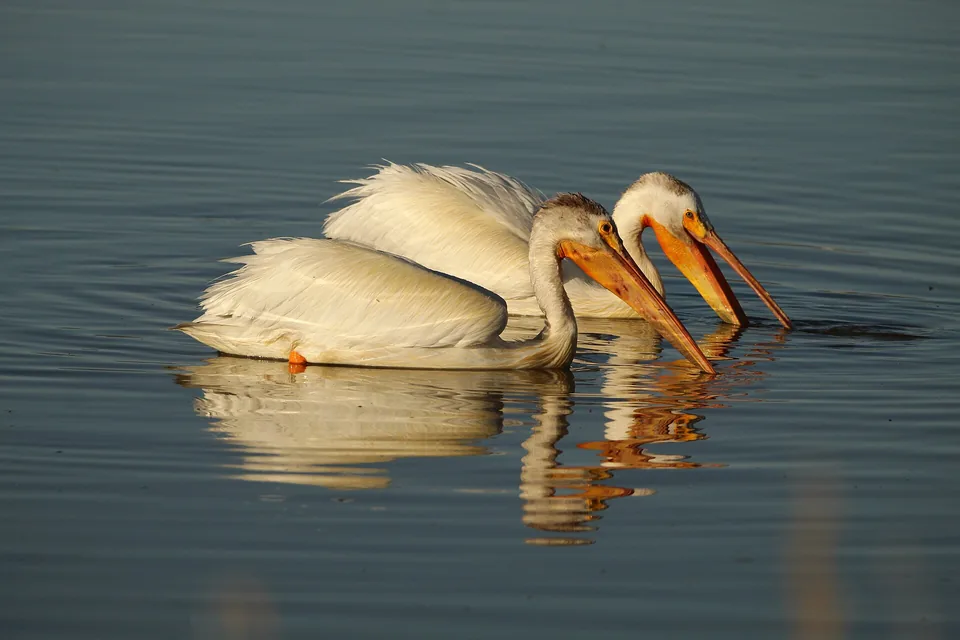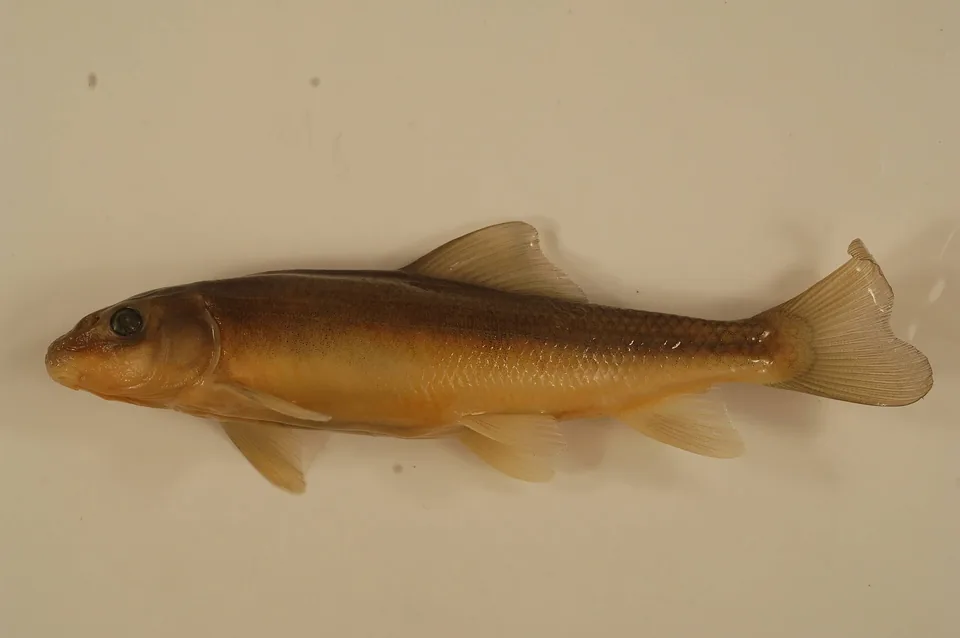
When Father Escalante reached Utah Lake in September 1776, he wrote that it abounded in fish, geese, beavers and other creatures. The lake, its marshes and the river bottoms around it were among the richest wildlife country in the Great Basin, and they still are.
Beaver and the trappers
The beavers drew the first outsiders after the friars. In the 1820s fur trappers worked their way down the Provo River and along the lakeshore, and in 1824 the French Canadian trapper Étienne Provost reached the river that carries his name. Across the West, the fur trade took beaver by the hundreds of thousands, and the animals grew scarce along the Wasatch for decades. They have since returned, and beavers again build lodges and dams along the Provo River and the marshes near its mouth.
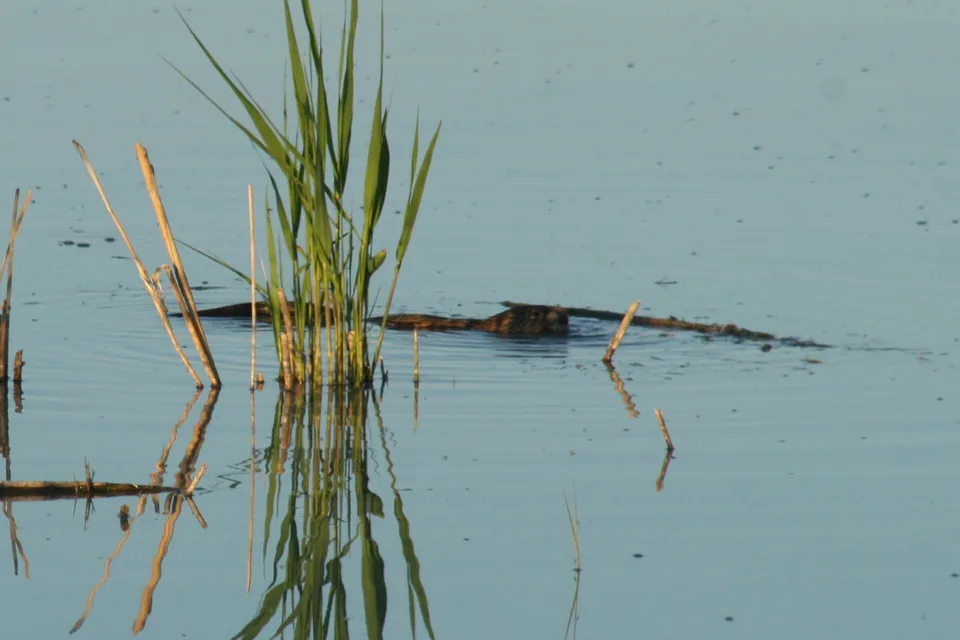
Muskrats
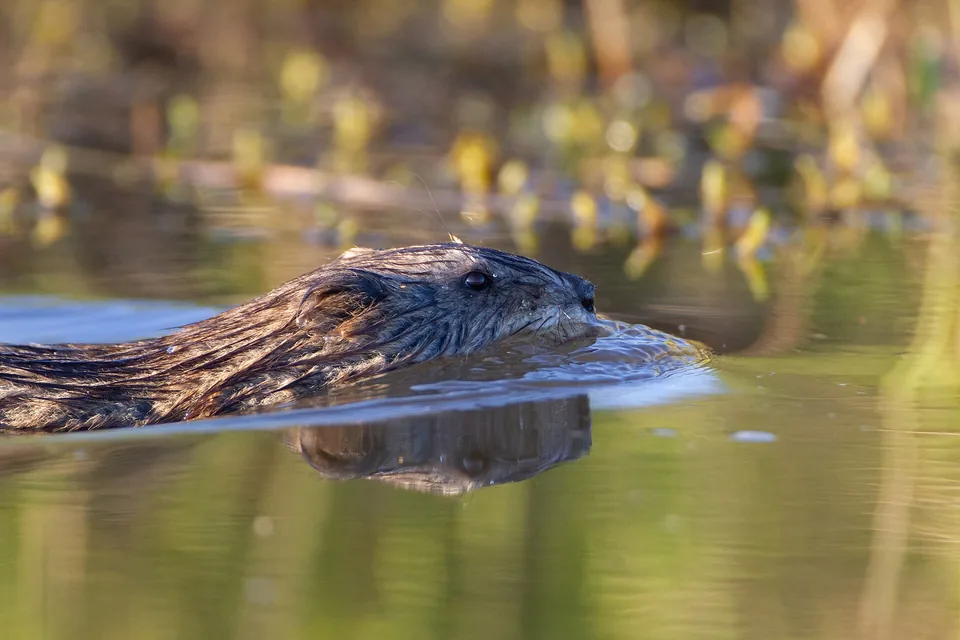
The muskrat outlasted them all. This small, brown, flat tailed swimmer lives in cattail marshes, ditches and canals, and the drained farmland around Vineyard was full of them. For generations Vineyard boys set traps along the ditches and the lakeshore. In the 1920s and 1930s many sold their pelts to Ariel Larsen, son of the owner of the Vineyard Mercantile, who ran a hide and fur business from a lean to beside his home.
On the shore
Other mammals share the shore. Mule deer come down from the benches in winter. Red foxes and coyotes hunt mice in the fields, raccoons and striped skunks prowl the ditch banks at night, and mink slip along the waterways after fish and frogs. Most go unseen, but their tracks fill the mud along the trails at dawn.
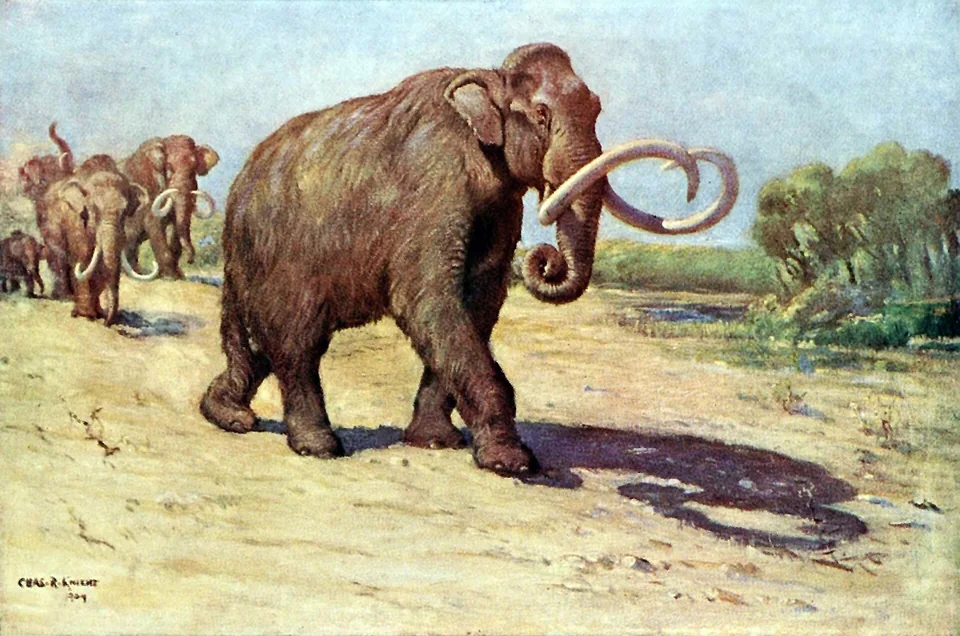
The largest animals the lake ever knew are gone. In the Ice Age, when Lake Bonneville filled the valley, mammoths, musk oxen, camels, horses and giant ground sloths lived on its shores. They vanished at the end of the Ice Age, and their story is told in Mammoths on the shore.
The bugs
The most numerous animals at Utah Lake are much smaller. Scientists who sampled the lake bottom in the 1970s found it dominated by two tiny creatures: a shrimp like crustacean called Hyalella azteca, more than a thousand to the square meter in late summer, and the larvae of a midge, a small fly. Along the eastern shore they also found a thick zone of freshwater sponge growing on the rocks.
These lake flies do not bite.
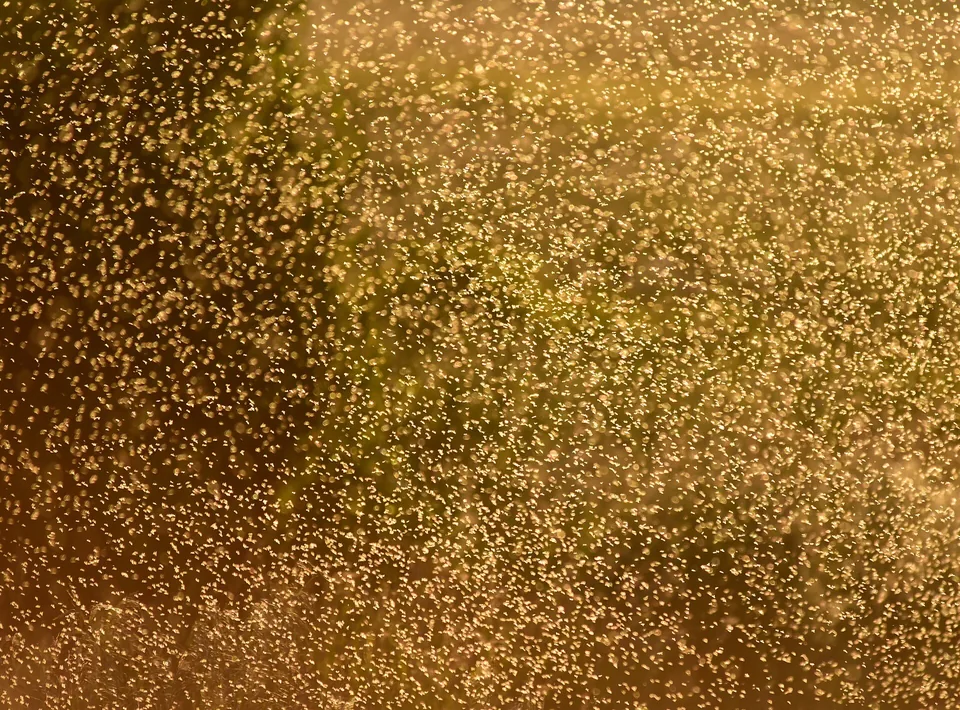
The midges are the ones people notice. Every spring the larvae rise from the mud, hatch into adults and fill the air over the shore in swarms so thick they look like smoke. They gather on porch lights and window screens, and visitors often mistake them for mosquitoes, but these lake flies do not bite. Swallows sweep through the swarms, and fish and ducks feast on the larvae.
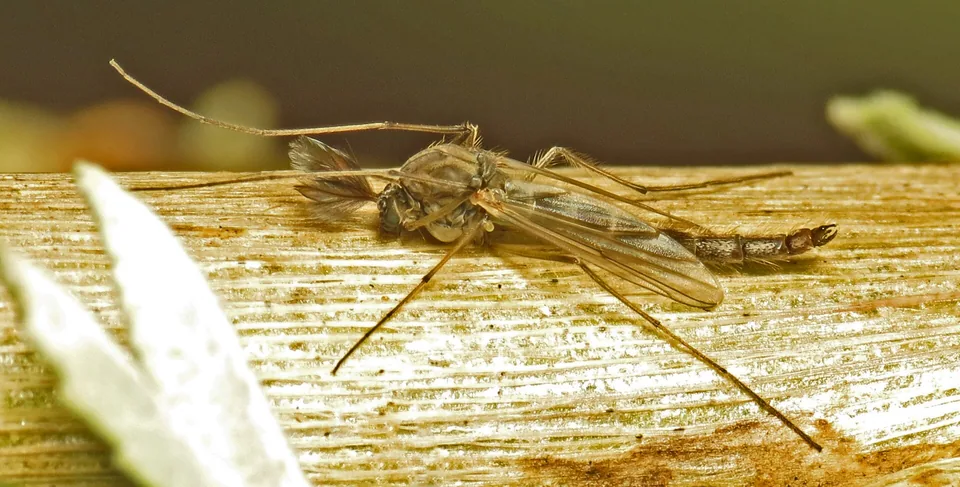
They matter more than they look. Recent research by a Vineyard based ecologist for the Wasatch Front Water Quality Council found that midge larvae help control how nutrients move between the lake bottom and the water, and with it the algae blooms that have troubled the lake in recent years.
Grasshoppers
Not every insect has been a friend. In 1855 grasshoppers came down on the first farms of the lake bottom so thickly that a pioneer remembered them darkening the sun. They ate most of the crop and then drowned in the lake by the wagonload, washing up along the shore, where the fish ate well.
Mosquitoes
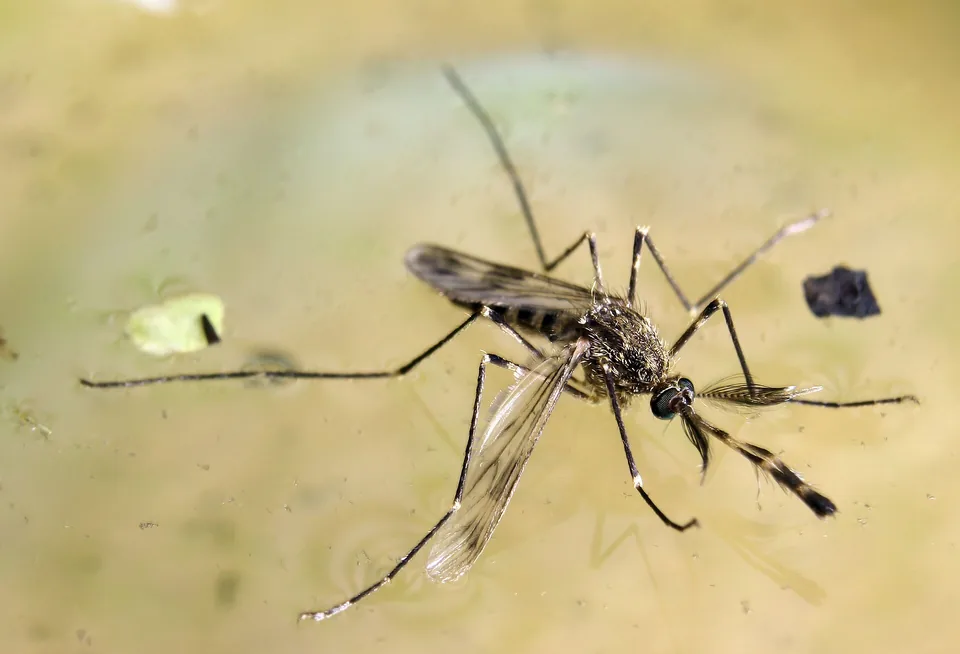
The marshes also bred mosquitoes, and for most of the valley's history people simply endured them. In 1923 the Utah Legislature allowed counties and cities to form mosquito abatement districts, and Salt Lake City formed the first the next year. Outbreaks of mosquito borne disease, including a Western equine encephalitis outbreak in Utah in 1958 and the arrival of West Nile virus in the state in the early 2000s, made the work more urgent. Today the Utah County Health Department runs the county's public mosquito control program, trapping, testing and treating the marshes along the lake.
From the beavers Escalante saw to the midges that fill the spring air, the wildlife of Utah Lake has outlasted every change people have made to it. On a quiet evening on the Vineyard shore, a muskrat crossing the water and a cloud of midges over the reeds are a reminder that the lake was alive long before the town, and still is.
From vineyardhistory.org/stories/the-wildlife-of-utah-lake/