Becoming a town was one thing. Running one was another. Vineyard's first problem was the mail. Moving from a rural route to street addresses created duplicate numbers and constant misdeliveries to neighboring cities, so the council renamed streets and asked Orem's post office to handle delivery.
No money yet
The second problem was money. When the county granted the petition, it told the new town that no county tax money would come its way for eighteen months, because those funds were already budgeted. Vineyard could collect nothing until the county made its fall assessment and adopted a budget in the spring of 1990. Town officials had planned on spending about $80,000 a year.
With nothing in the bank, the new town fathers went to Geneva Steel and asked for a $50,000 loan to carry them until tax money arrived. An initial loan of just $15,000 saw the town through its first eighteen months. The first property tax check, about $129,000, came in February 1991. Sales tax was running about $40,000 a quarter, and road funds, permits and licenses added more. The town was soon well above its planned budget, and it cut licenses and fees in half.
A town hall from a cabinet shop
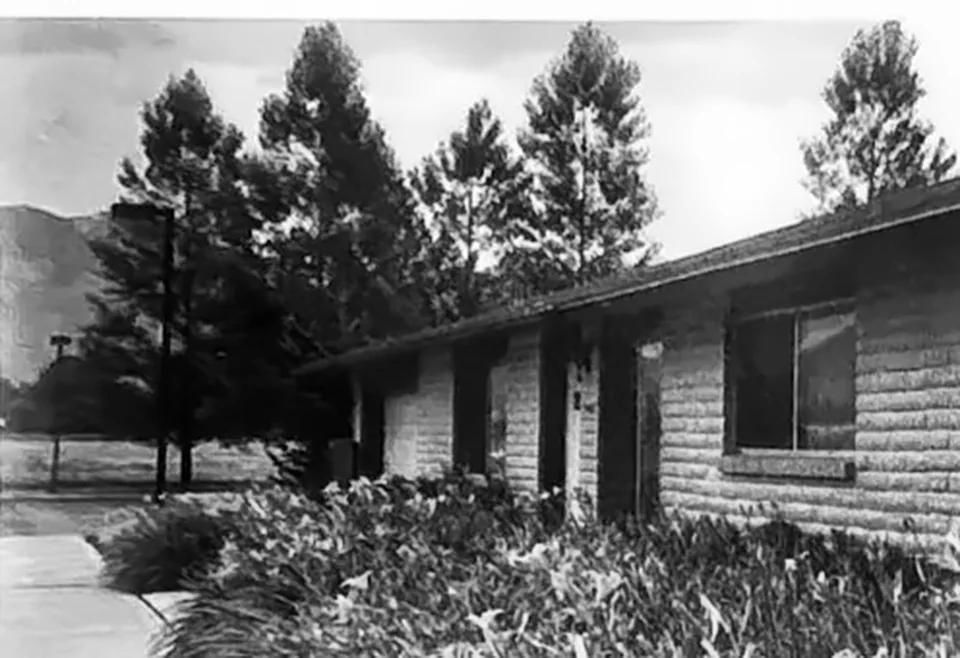
Vineyard bought a house, a cabinet manufacturing shop and four acres of land at the corner of Gammon and Holdaway Roads. The shop was renovated into a town hall and the house was rented out. The town bought another two and a half acres next door and hired Leonard Grassli to design a park.
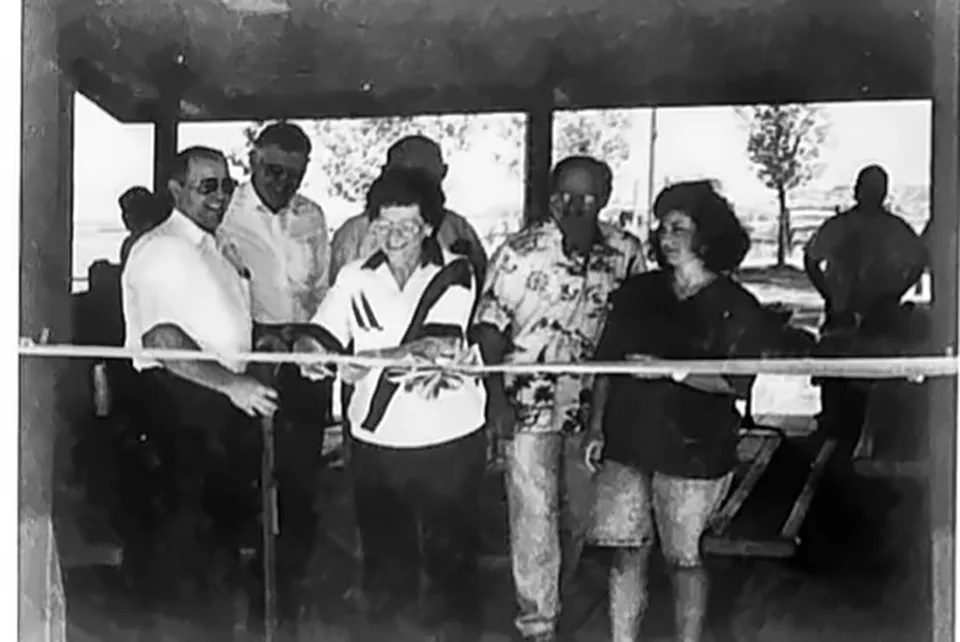
The seven acre park, with a ball diamond, tennis and basketball courts, a children's play area, a large pavilion and a walking path, cost about $400,000 and was paid for in cash. It was dedicated with a ribbon cutting on August 8, 1992, during the annual summer celebration. That same year property taxes were cut by 30 percent, and elected officials finally agreed to accept a stipend of thirty dollars a meeting. The Salt Lake Tribune reported that Vineyard appeared to be in the best per capita position of any town or city in the state.
Holding the line
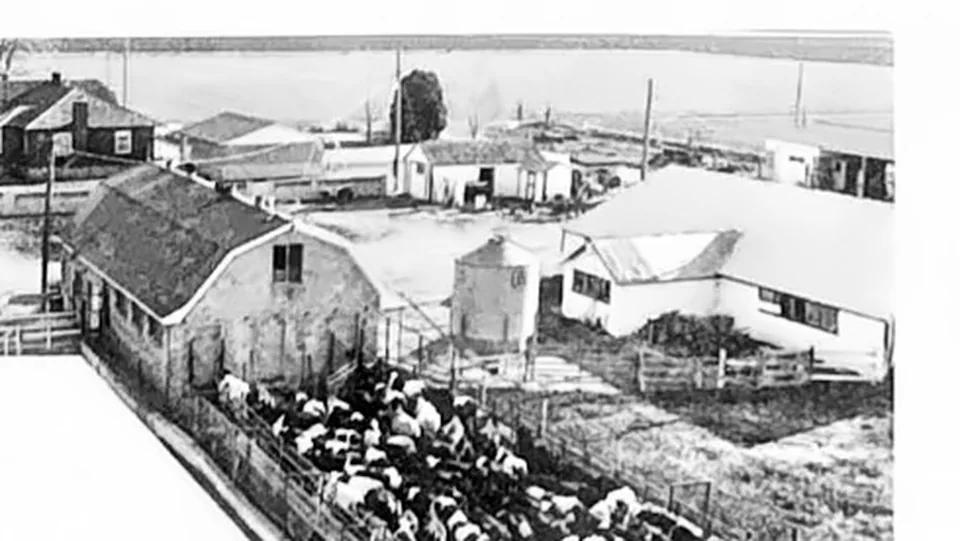
The mayor also moved to protect the farms. In late 1990 the council placed a moratorium on building and temporarily dissolved its planning commission while it wrote a master plan. The timing suited a farm town: there is less field work in winter. One thing we are trying to do, Mayor Gammon said, is maintain a true agricultural zone, which required forty acres for a new home. About half the residents worked in agriculture, and four dairies still operated in town.
We're the best kept secret in Utah and we'd like to keep it that way.Mayor J Rulon Gammon, 1991
The main objective of forming Vineyard, the mayor told the Tribune in 1991, was to keep a way of life, an agricultural lifestyle that could not be protected any other way. A newspaper columnist had worried that the town would become a company town for the steel mill, or would sprawl like its neighbors. Neither happened in the first decade.
The summer celebration
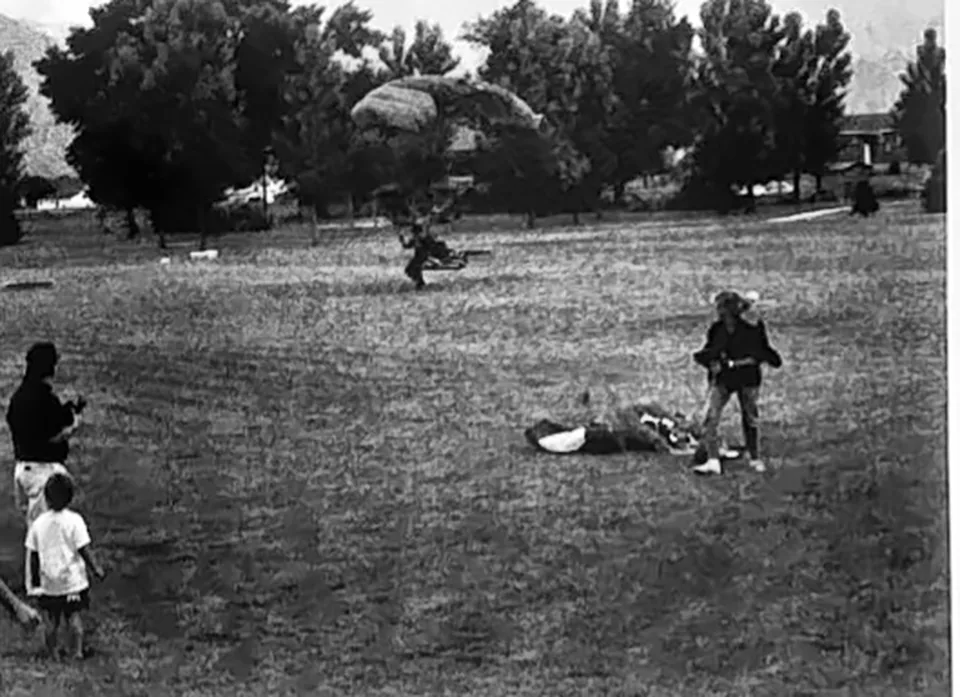
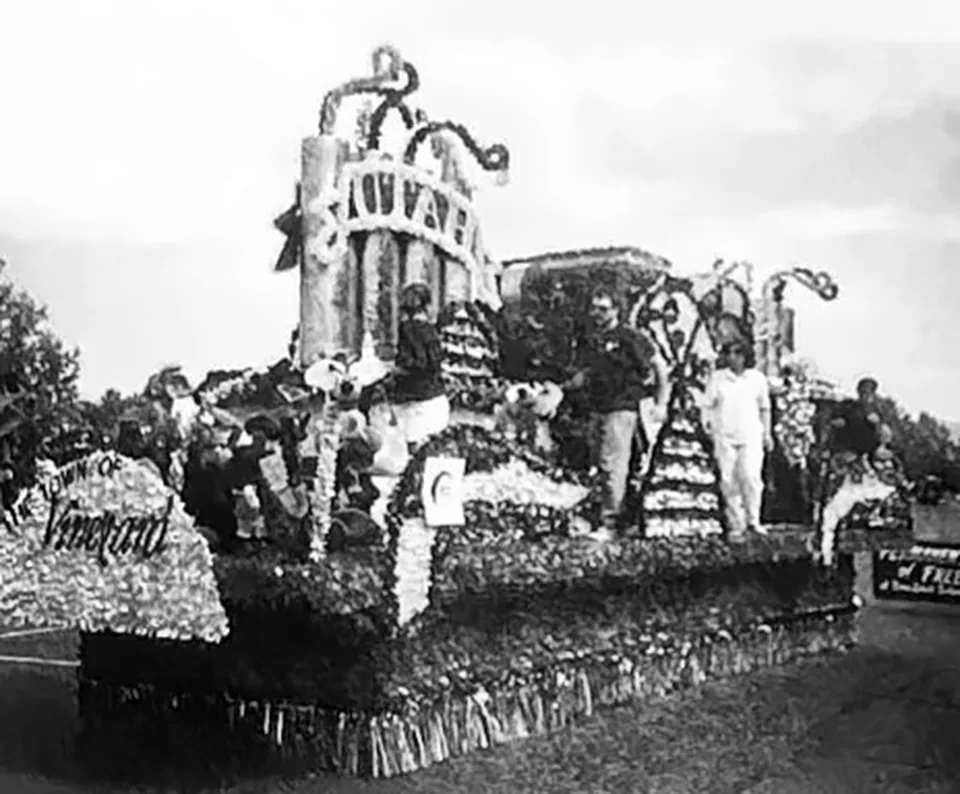
In 1989 the mayor declared an annual Summer Celebration built on a historical theme. A tradition grew quickly. The Boy Scouts presented the flag, skydivers dropped into the park, and a catered dinner was followed by games for the children, skits and a community sing. The evening ended the way it always would: with fresh cantaloupe straight from local fields, topped with ice cream.
In August 1996 the town organized a Youth Council to teach young people how local government works and to put them to work serving the community. One of its first projects was an Easter egg hunt, which became an annual event, along with a bike safety program and a spring clean up of the town.
A hundred years
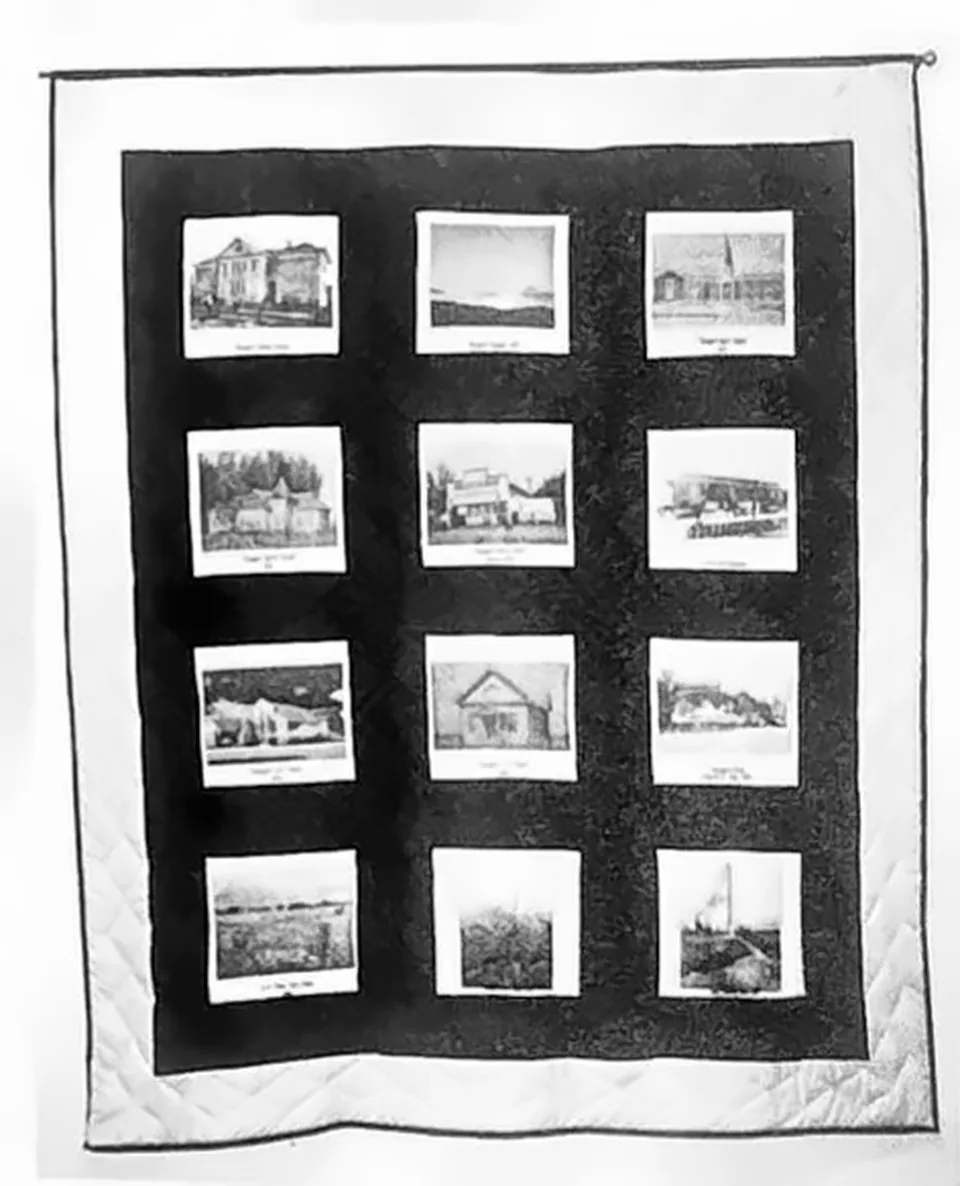
The summer of 1999 marked a hundred years since the Vineyard Ward was organized in 1899. Residents sewed a historical quilt with blocks showing the town's landmarks, gathered old photographs and keepsakes, and opened a time capsule that had been sealed in the cornerstone of the ward chapel. Letters inside were read aloud to the descendants they had been written to.
Through it all Vineyard stayed small. As the 1990s ended, the town's leaders wrote that most of the big landholders were getting older and that development on the borders was driving land prices beyond anything farming could pay. They knew change was coming. For one decade, though, a town of about 150 people had run its own affairs, paid cash for its park, and kept its fields green.
From vineyardhistory.org/stories/the-town-that-paid-cash/