Era VII · 1989 to 2012
A Town of 151
Dairy farmers decide to run their own town.
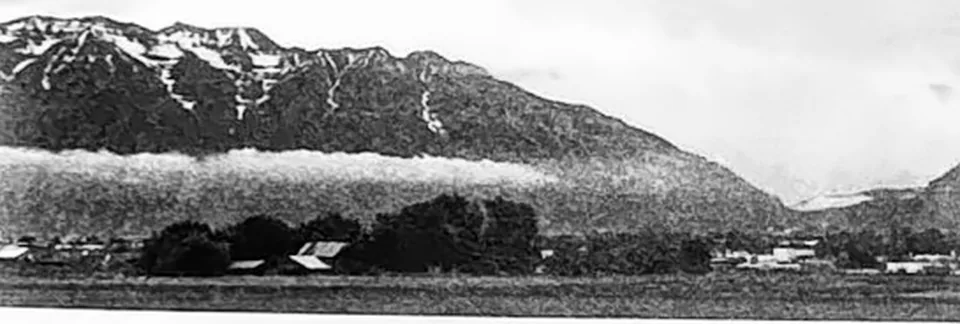
In 1989 the farm families around the steel mill voted to govern themselves. For the next twenty years Vineyard was one of the smallest towns in Utah, a place where nearly everyone was family, and where the mill next door went silent and came down.
May 11, 1989
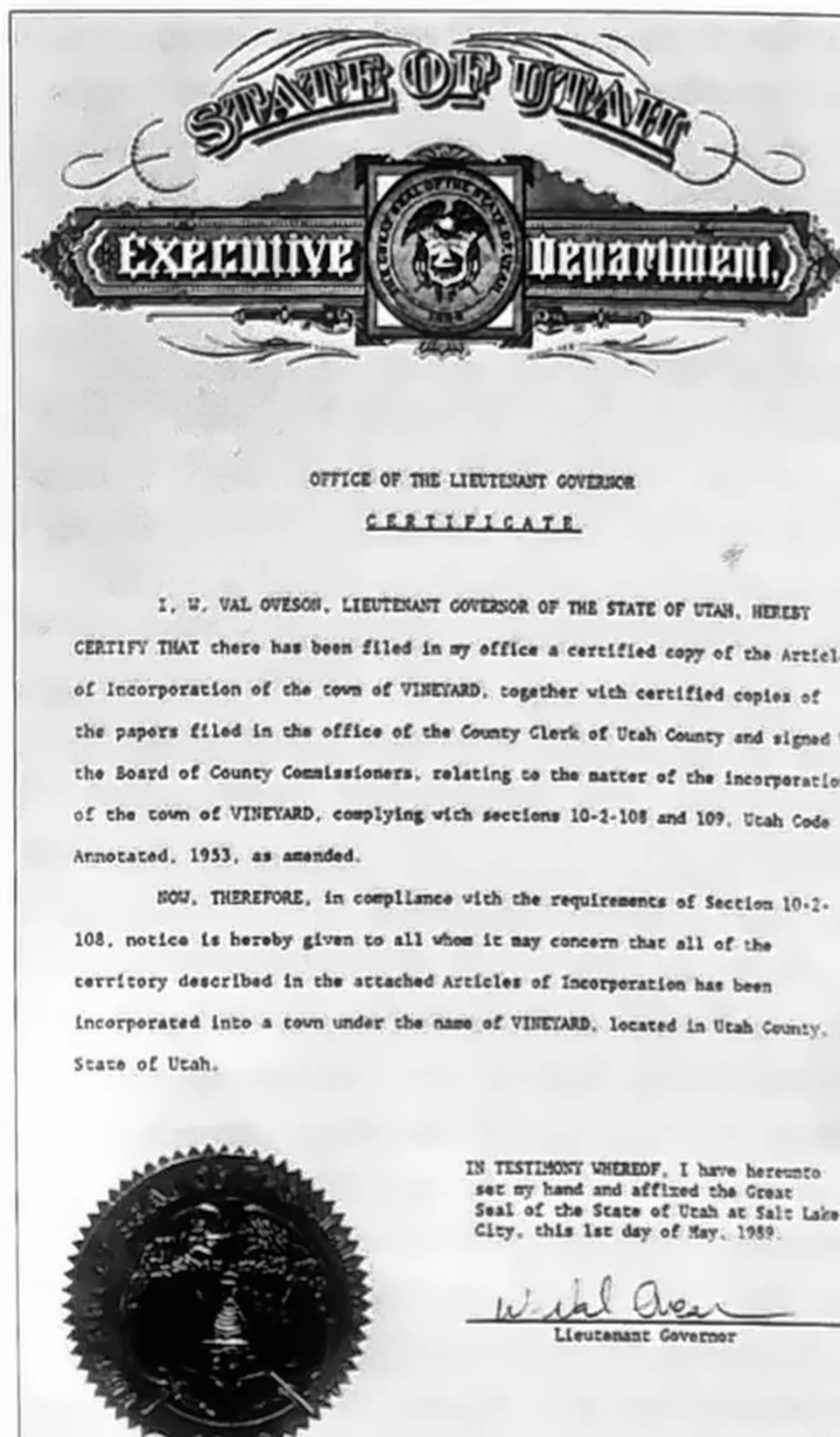
Vineyard becomes a town
In 1989 the farm families of Vineyard petitioned to incorporate 2,805 acres of farms and industry wrapped around Geneva Steel. A regional planner urged them to wait and study joining Orem instead. They went ahead anyway.
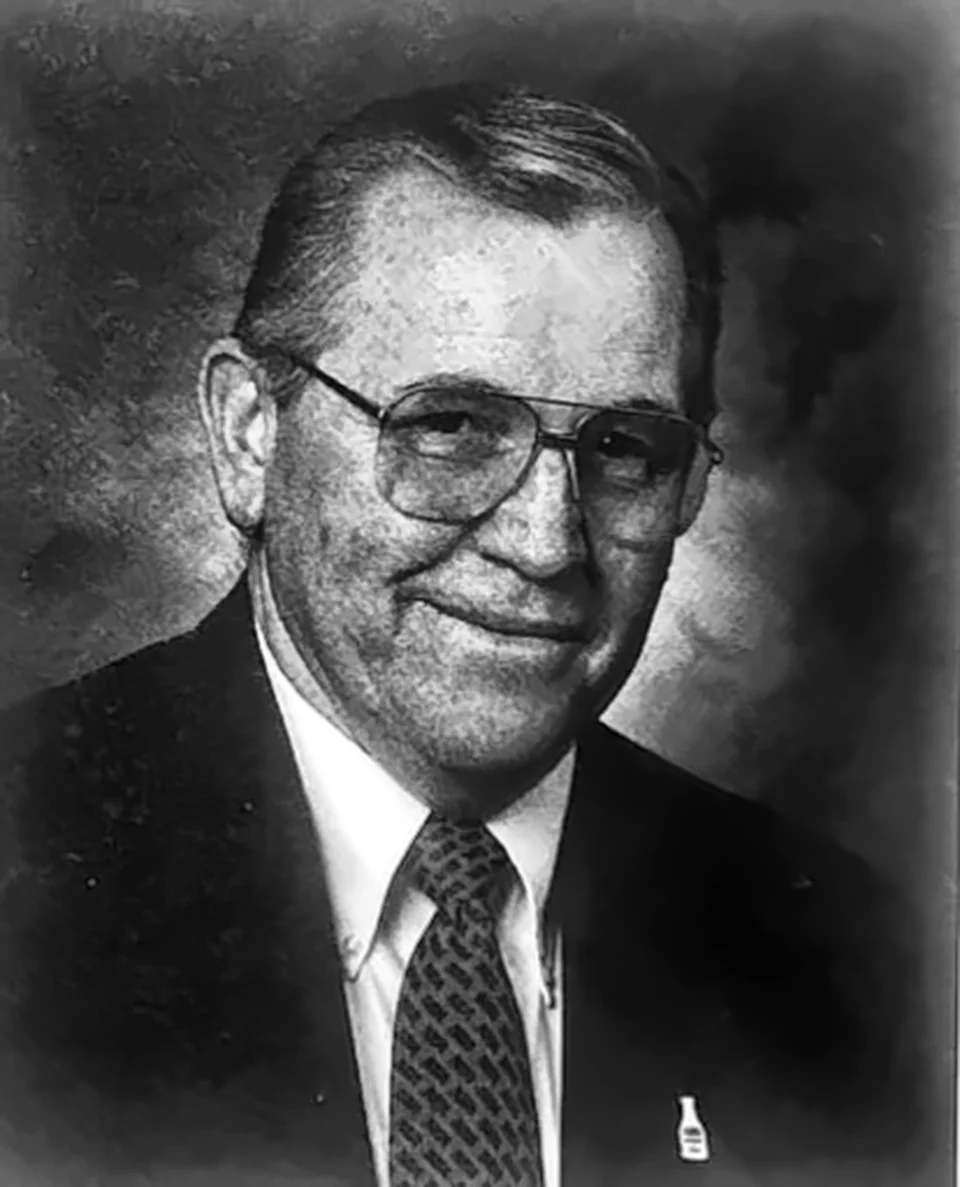
On May 11, 1989, Vineyard became a town. Rulon Gammon, a dairyman born in his family's farmhouse, became its first mayor. Fifteen years later he was still the only mayor the town had known.
By 1991 the town's costs were running far below what the county had predicted, and Geneva Steel's property taxes were paying for a new city park beside the town hall.
The 1990 census
Almost one big family
The 1990 census counted 151 people in Vineyard. About three of every four were related to each other. The median age was 24.5, and the typical household had more than four people.
At Christmas 1990 the town gave every family a card to the Orem library. The year's crime report listed one burglary. The town had one park, with a pavilion, a ball diamond and courts.
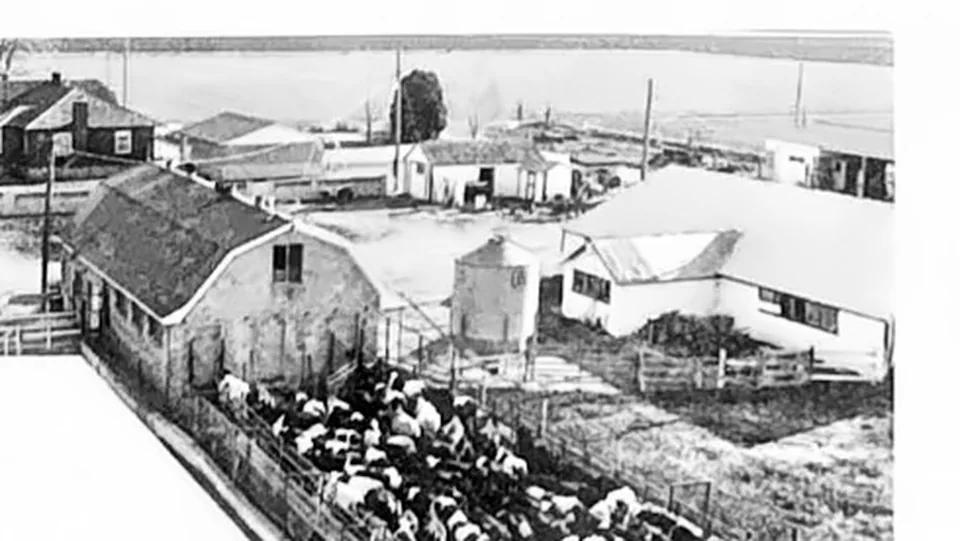
Every spring the Gammon dairy became a classroom. At Farm Field Days in 2000, about 3,800 Utah County schoolchildren came to learn where food comes from.

1999 to 2005
The end of steel
In 1992 steel prices fell more than 30 percent and cheap foreign steel flooded American ports. Geneva filed for bankruptcy in early 1999, owing about $325 million. In November 2001 most of its roughly 1,200 workers were laid off, and in 2002 a second bankruptcy ended steelmaking for good.
On February 4, 2004, a bankruptcy judge approved the sale of the mill's core equipment to Qingdao Iron and Steel of China for $40 million. It was taken apart and shipped across the Pacific to be rebuilt.
In the summer of 2005, at daybreak, explosives brought down two smokestacks, nine stoves and three blast furnaces that had stood for 61 years. Former workers gathered to watch. That November a developer, Anderson Geneva, bought 1,750 acres of the site for $46.8 million.

2004
The last farms
In August 2004, on a bus tour of Utah Lake for the county's mayors, Rulon Gammon announced he was selling his 94 acre dairy farm and stepping down so he and his wife could serve a church mission. "A lot of history there," a state legislator said.
A new power plant, Lake Side, began rising on 22 acres of the old mill site in 2005 and was finished in 2007. With the mill closed, the town had been looking for a new way to pay its bills. The 2010 census counted 139 people. Vineyard was about to change faster than any city in America.
Era VII
Key moments.
Read the story →
Read the story →
Read the story →
Read the story →
Read the story →
Read the story →
Read the story →
Read the story →
Read the story →
Read the story →
Read the story →
Read the story →
Read the story →
Read the story →
Read the story →
Read the story →
Read the story →
Read the story →
Read the story →
Read the story →
Read the story →
Read the story →
Read the story →
Read the story →
Era VII
Stories from this era.
The Gammons
A pioneer at the river mouth in 1855. A town's first mayor in 1989. One family runs through Vineyard's whole story.
The petition of 1989
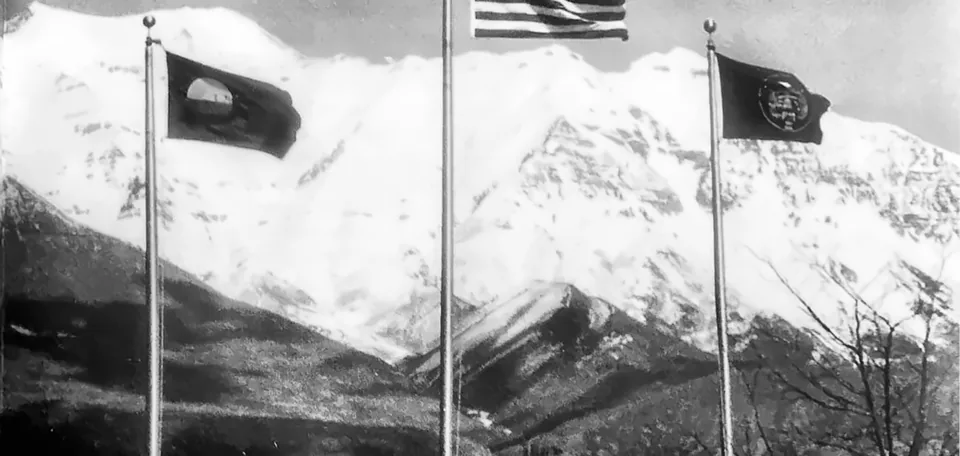
Vineyard first asked to become a town in 1972 and was turned down. Seventeen years later 148 residents, nearly every adult among them, signed a petition that made the farming community the newest town in Utah.

The winter the air cleared
When a strike shut Geneva Steel for a winter, a BYU economist counted sick children in Utah Valley hospitals and changed how the world regulates air pollution.
The town that paid cash
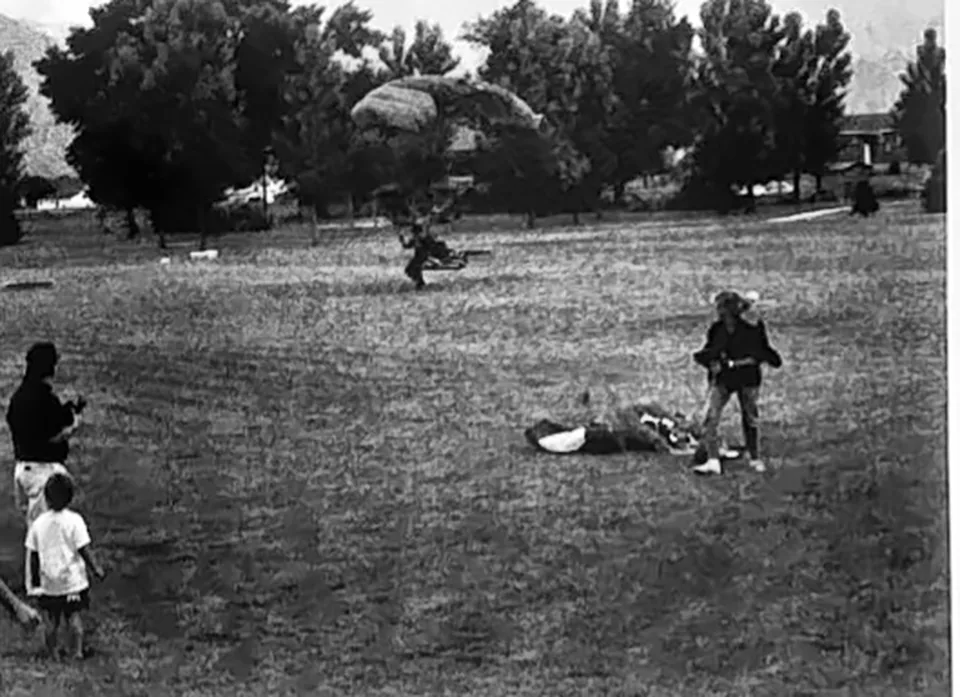
Vineyard's first council borrowed $15,000 to get started. Within two years the town had a hall, a seven acre park paid for in cash, lower taxes, and a reputation as the best kept secret in Utah.

A town of 151
In 1990 nearly everyone in Vineyard was family. Twenty-five years later, almost everyone was new.

The China sale
How the heart of a Utah steel mill was sold, packed and shipped across the Pacific, and how the rest came down.

The power plant at the mill
How a bidding contest at the Utah Public Service Commission put two gas-fired power plants on the ruins of Geneva Steel, and gave a town of a few hundred people something to tax.

Digging out Geneva
Slag, concrete, iron dust and tar pits: the long, unglamorous cleanup that turned a dead steel mill into ground people could live on.