Utah Lake gave Vineyard its first business, catching and selling fish. Nearly everything after that grew out of the farms: dairies, a sugar beet dump, an onion warehouse, a milk depot, chicken and turkey ranches, a feed mill and two country stores. Peddlers filled in the gaps. The Watkins man made regular rounds with liniments, salves and spices, and before refrigeration a Mr. Cheever drove a horse drawn meat wagon out from Provo, ringing a bell so families could come out and choose a cut from the meat hanging in his iced box.
From ribbons to coal
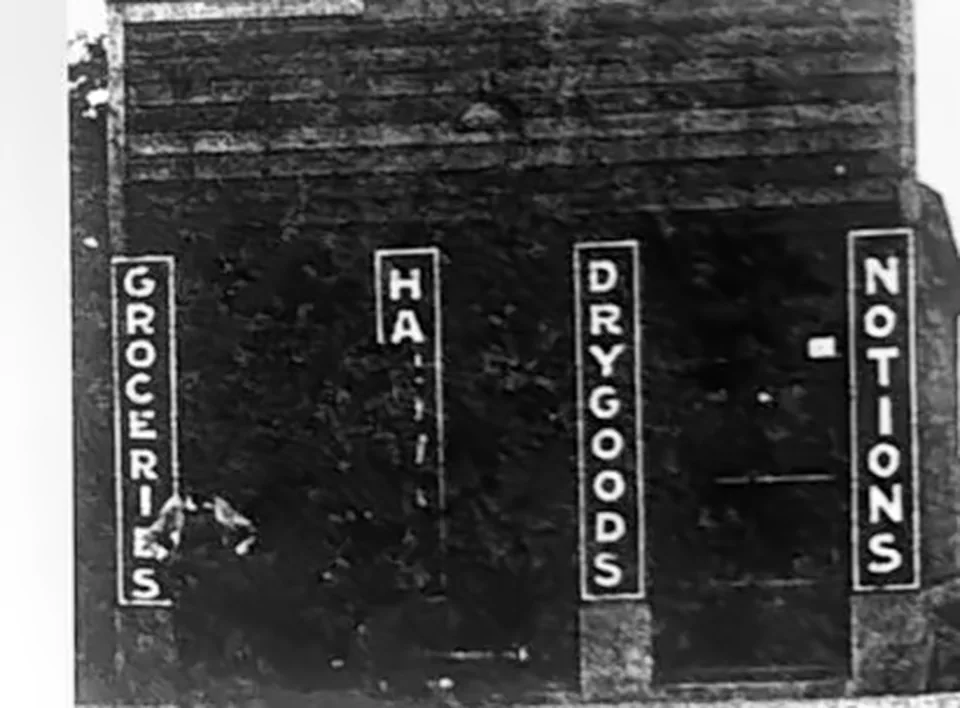
In the spring of 1906 Axel and Ana Lena Andreasen moved to Vineyard and opened a general merchandise store on Geneva Road at about 100 North, an old time country store that sold everything from ribbons to coal. It began in a bedroom of their home. By 1915 it carried food, clothing, shoes, fuel and jewelry, with buggy whips hanging from the ceiling, spools of thread rolling down a chute, glass cases of goodies and spices and a big cheese cutter.
Families often paid in eggs and chickens instead of cash, and children traded an egg or two for candy. Axel liked to try new things at home before selling them, and his son remembered the night a gasoline lantern first lit their house, a light brighter than anything he had imagined. During World War II the store collected peach pits for the Army, which used them to make gas mask filters. When the Army stopped taking them, a bucket of leftover pits went into the store's coal stove and exploded with a bang that blew soot everywhere. The store's land later became part of the Geneva Steel plant.
The Vineyard Merc
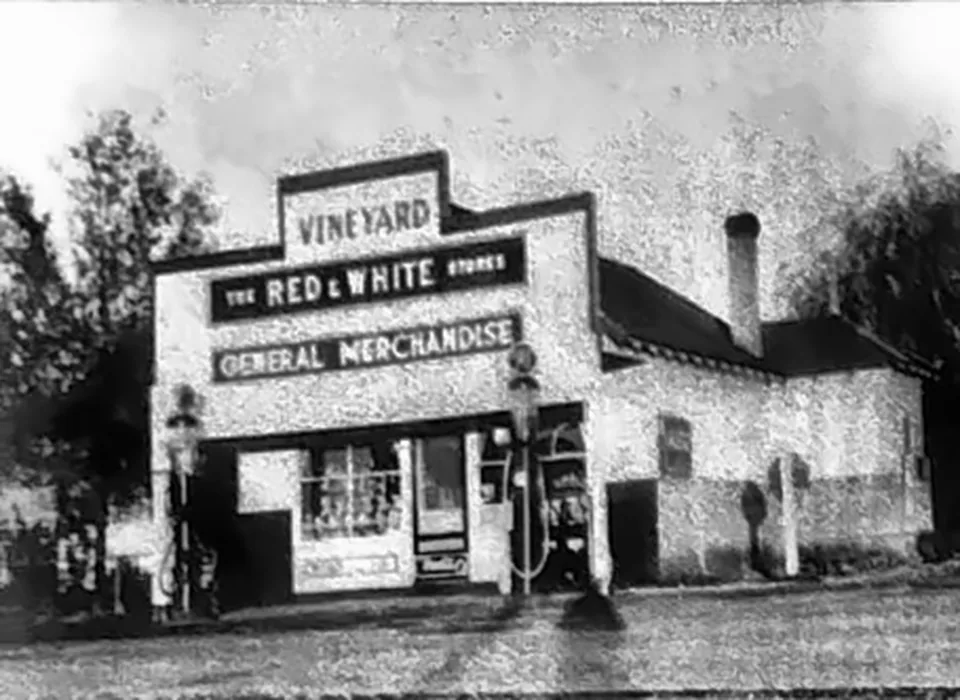
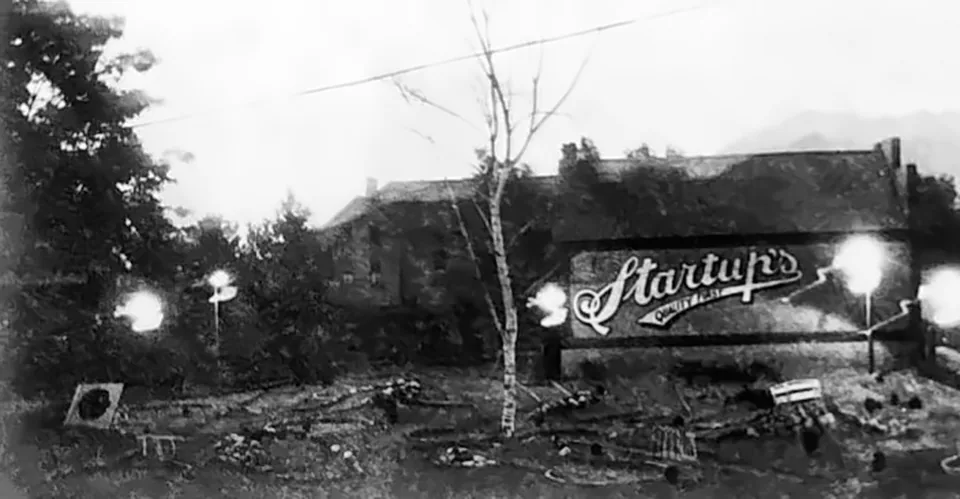
In 1921 Hyrum Larsen built the Vineyard Mercantile at the end of what is now Center Street, where it met Geneva Road. Customers called it the Vineyard Merc. It carried canned goods, meat, hardware, tools and coal, had a hand operated gas pump for Model T Fords, and kept an ice house in back filled with blocks cut from Utah Lake. Hyrum's wife Ann was famous among the schoolchildren for her penny candy. Their son Ariel drove a meat and grocery wagon through Vineyard, Lake View and the Provo Bench, bought muskrat pelts from local boys, and brokered tomatoes and fruit to trucks from Kansas and Nebraska.
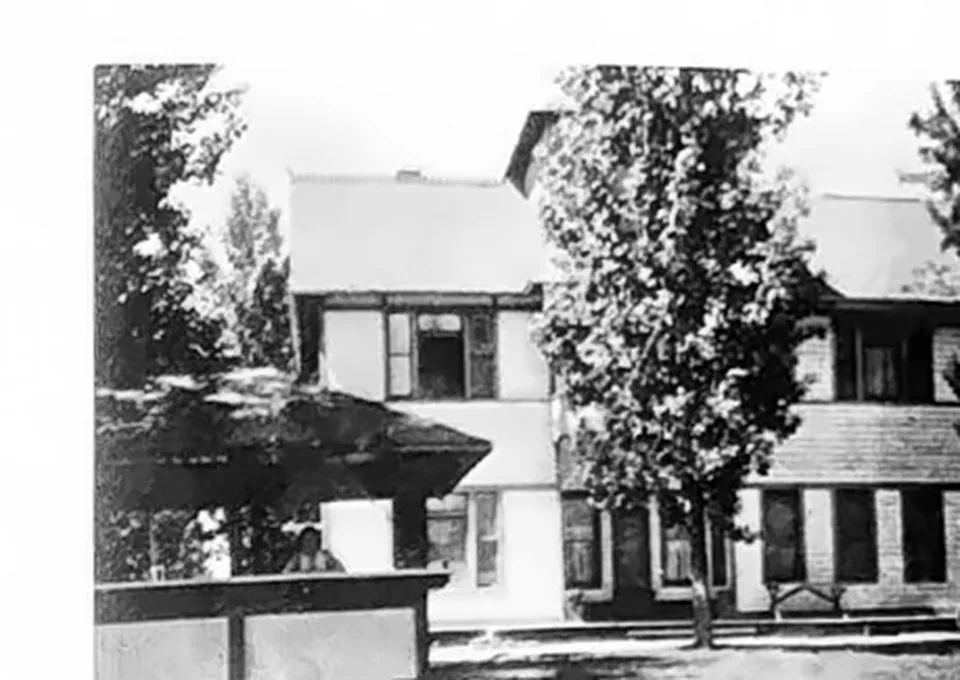
The Merc became the Red and White store and passed through several owners. In 1939 it was bought by Dutton Miller, a well liked merchant who also ran a grocery route, honking his horn in front of each farmhouse. The store was a gathering place where people warmed themselves by the big stove in back, heard the news, and ran up a charge account to be paid when the milk check came. Later owners added a cafe that sold box lunches to workers building the steel mill.
The Geneva Hotel
The biggest business on the lakeshore was not a store at all. It was the Geneva Hotel, the heart of the Geneva resort. Captain John Dallin built it soon after he bought the land in 1888: two and a half stories with guest rooms, a kitchen, a dining room and a veranda on the second floor looking over the water, with a saloon just to the east.
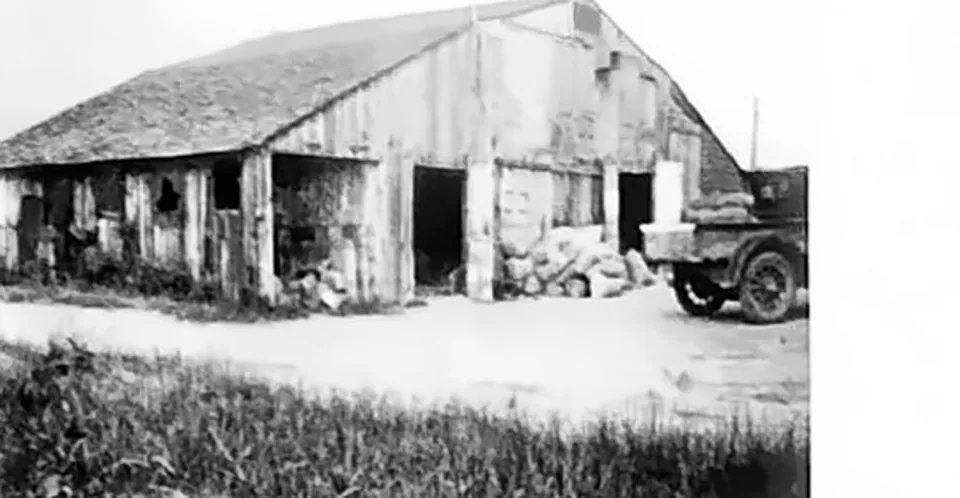
Every owner after Dallin ran the hotel as a working business. The Utah Lake Club added cabins in 1907 that families from Provo and Salt Lake City rented for the whole summer. When the Eastmond and Taylor families took over in 1923, they moved into the hotel themselves each season, and it housed most of the workers they hired to run the pools, the dance hall and the boats. Hundreds of bats roosted in its rafters, and the owners' children earned spending money sweeping up the droppings in the attic and selling them as lawn fertilizer.
It carried everything from chewing tobacco to horseshoe nails.Bruce Miller, on the Vineyard Mercantile
The hotel had its famous guest, too. One year after the resort closed for the season, Old Bruin, the resort's chained bear, got loose, broke into the empty hotel and tore apart the beds and mattresses in every room. By the end of the 1930s the hotel and the rest of the resort were gone. A popular story says fire took them, but a daughter of the last owners said she never knew of any fire.
Fruit by the trainload
Fruit was big business too. When Stephen Bunnell Jr. returned from a church mission in 1903, he went back to growing apples, peaches, pears, plums and apricots on the sand hills. He is remembered for bringing Red Delicious apples to the Orem Bench and for shipping fruit by the carload to California, wrapping each apple and peach separately for a premium price. His packing shed employed twenty to thirty people each season, and the restored shed still stands on the campus of Utah Valley University.
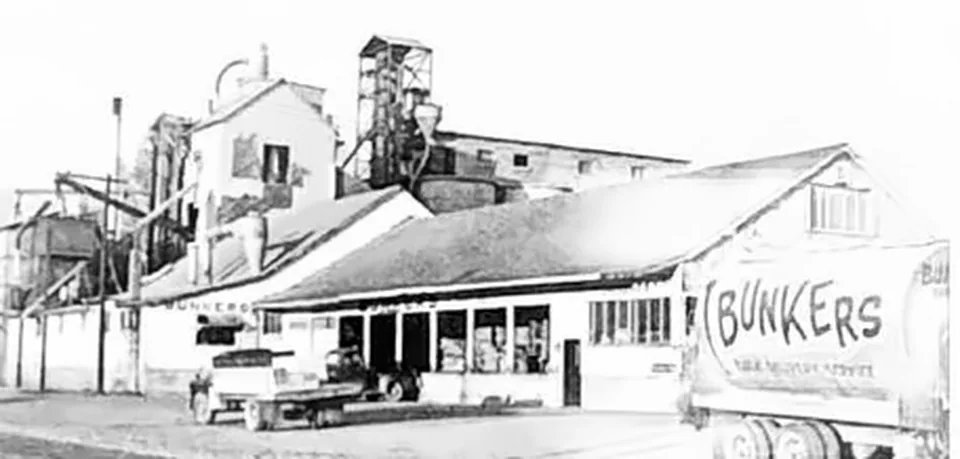
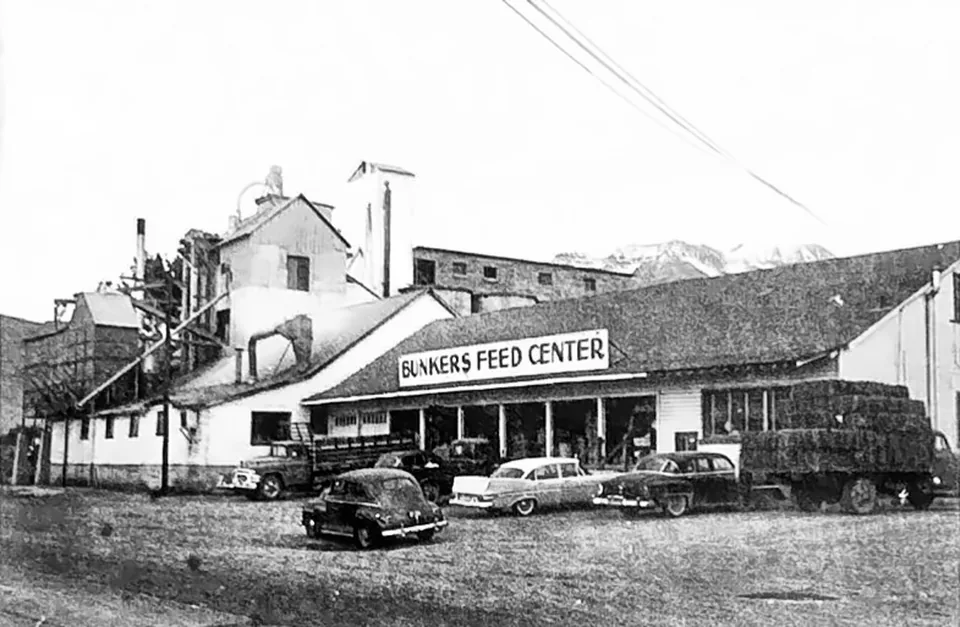
Bunker Feed
George and Isabelle Bunker came to Vineyard in 1920 and built a feed mill. Under their son Carlyle it grew into Bunker Feed, among the first in the valley to deliver feed in bulk instead of bags in the mid 1950s. Carlyle studied animal nutrition and kept his own dairy herd and a modern poultry house to test his rations. A new mill went up in the early 1960s.
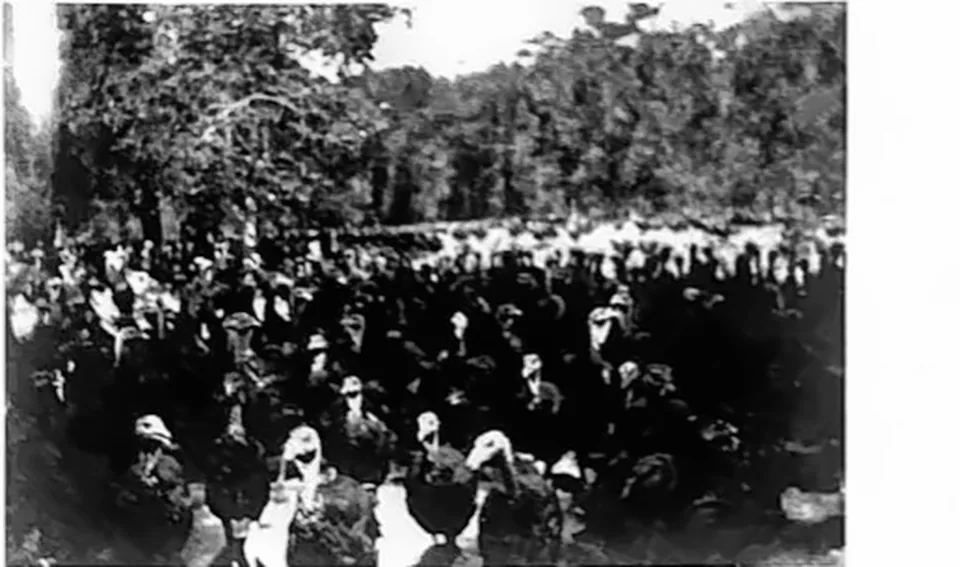
As family farms declined, Bunker turned empty poultry coops into Valley Growers, a business raising laying hens, fryers and turkeys. The feed center was sold in 1971 and later became part of Intermountain Farmers Association. The vacant old mill burned in 1996.
Ranch Pride turkeys
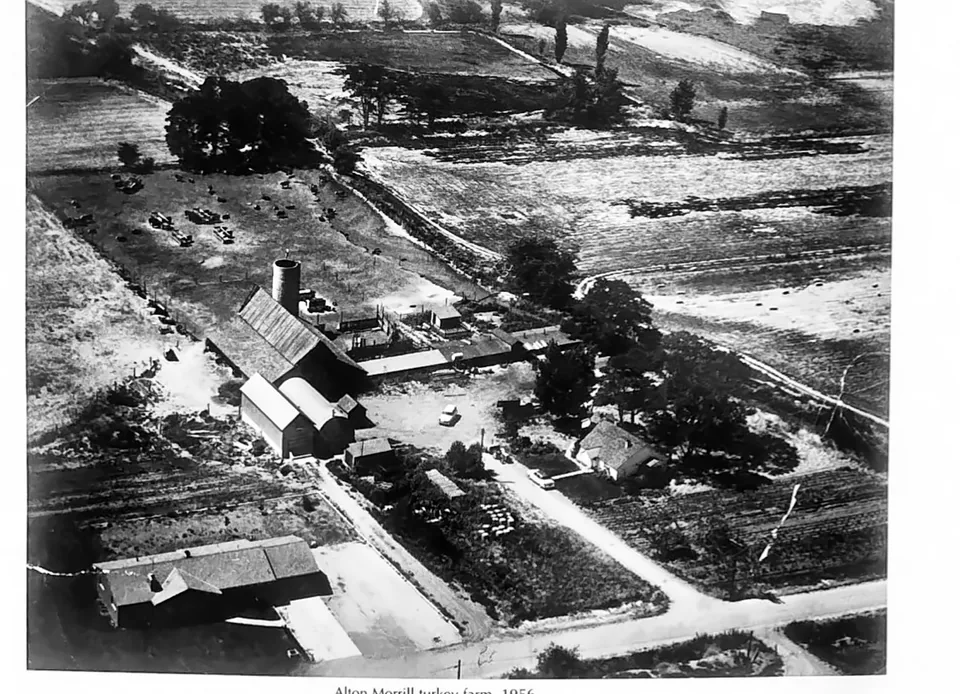
Turkeys were a Vineyard specialty. At least four families raised them commercially, some driving their flocks up Hobble Creek Canyon for summer grazing. In 1945 Alton and Alta Morrill came from the Uintah Basin, bought a farm near Center Street and started with a thousand poults. When Interstate 15 cut through their land in the early 1960s, they moved their new brick house, bought another turkey ranch on 400 South, and kept growing until they raised fifty thousand birds a year. Their Ranch Pride turkeys, sold as the Best Dressed Bird in Town, went to wholesalers from Ogden to Las Vegas, and thousands of families bought holiday turkeys at the farm store.
Turkey production eventually moved to Sanpete County and the Midwest, and the Morrills retired in 1980. About 1966 Paul Rawlings and his family built a double garage on Geneva Road and opened Rawlings Auto, repairing cars, trucks and farm machinery. By then the old stores were memories, but many residents still remembered trading eggs for candy at Andreasen's and warming up by the stove at the Merc.
From vineyardhistory.org/stories/the-country-stores/